Which Type of Diffuser Is Best for Your Home?
Table of content
Takeaway
The best fragrance diffuser for your home depends on your room size, desired scent coverage, maintenance preferences, and how consistently you want fragrance throughout your space. For the most even whole-home fragrance experience, a cold-air HVAC diffuser such as AromaHolik’s AroBliss is a strong choice because it connects to your central air system and distributes fragrance through your existing vents.
Choosing a home scent diffuser can feel confusing because there are several types available. Ultrasonic diffusers use water. Waterless and cold-air diffusers use fragrance oil without water. Heat diffusers use warmth to release fragrance, while evaporative diffusers use airflow to help fragrance disperse.
Each type works differently. The right choice depends on what you want from your home fragrance routine.
If you want fragrance throughout several rooms, a cold-air HVAC diffuser is often the most practical choice. For a single room, a standalone waterless diffuser may be enough. Those who prefer a water-based system and enjoy a visible mist may find an ultrasonic diffuser better suited to their routine.

What Are the Main Types of Home Fragrance Diffusers?
Before choosing the best home diffuser, it helps to understand how the most common types work.
Cold-Air Diffusers
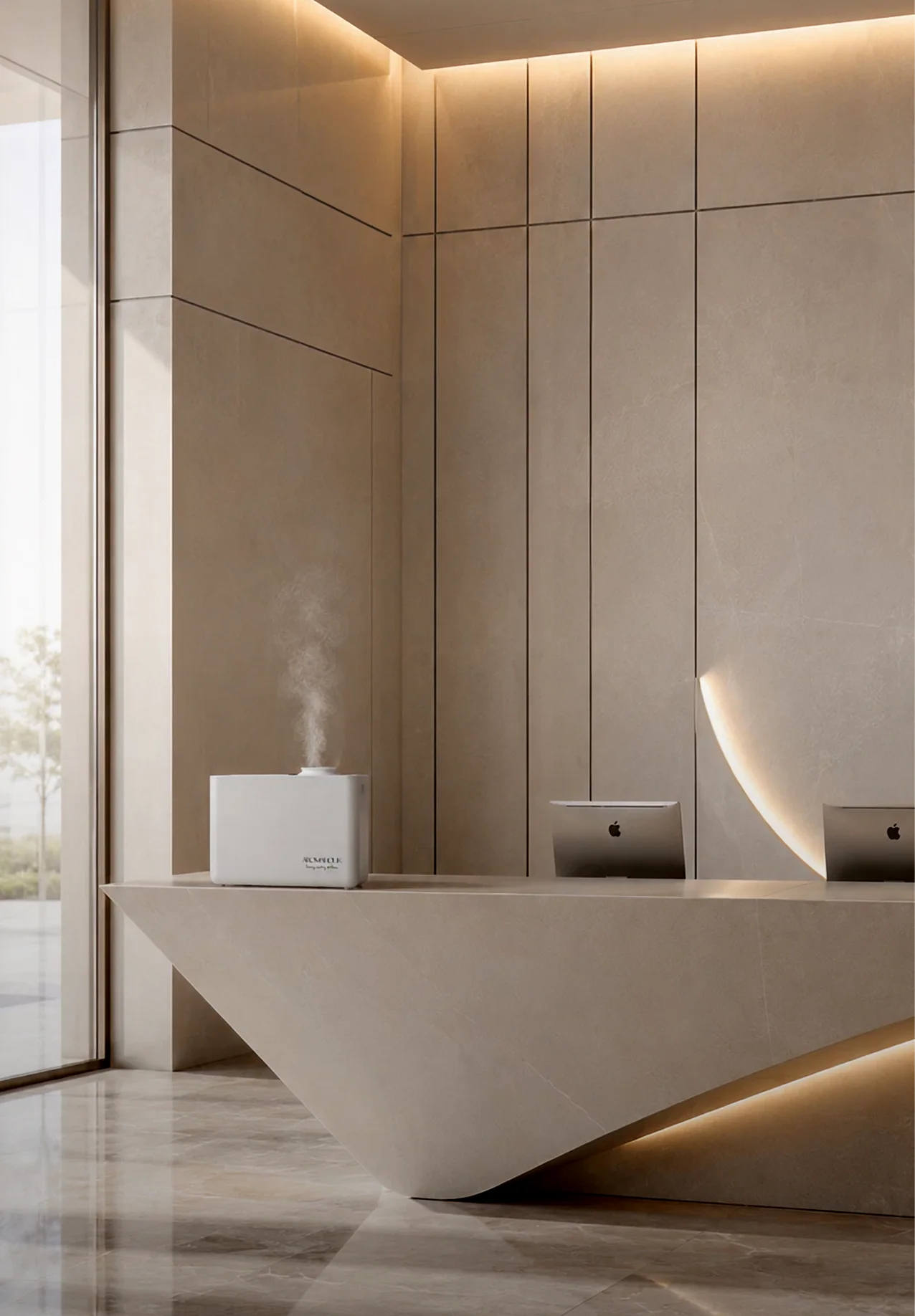
Cold-air diffusion uses air pressure to turn fragrance oil into a fine, dry mist. It does not require water or heat.
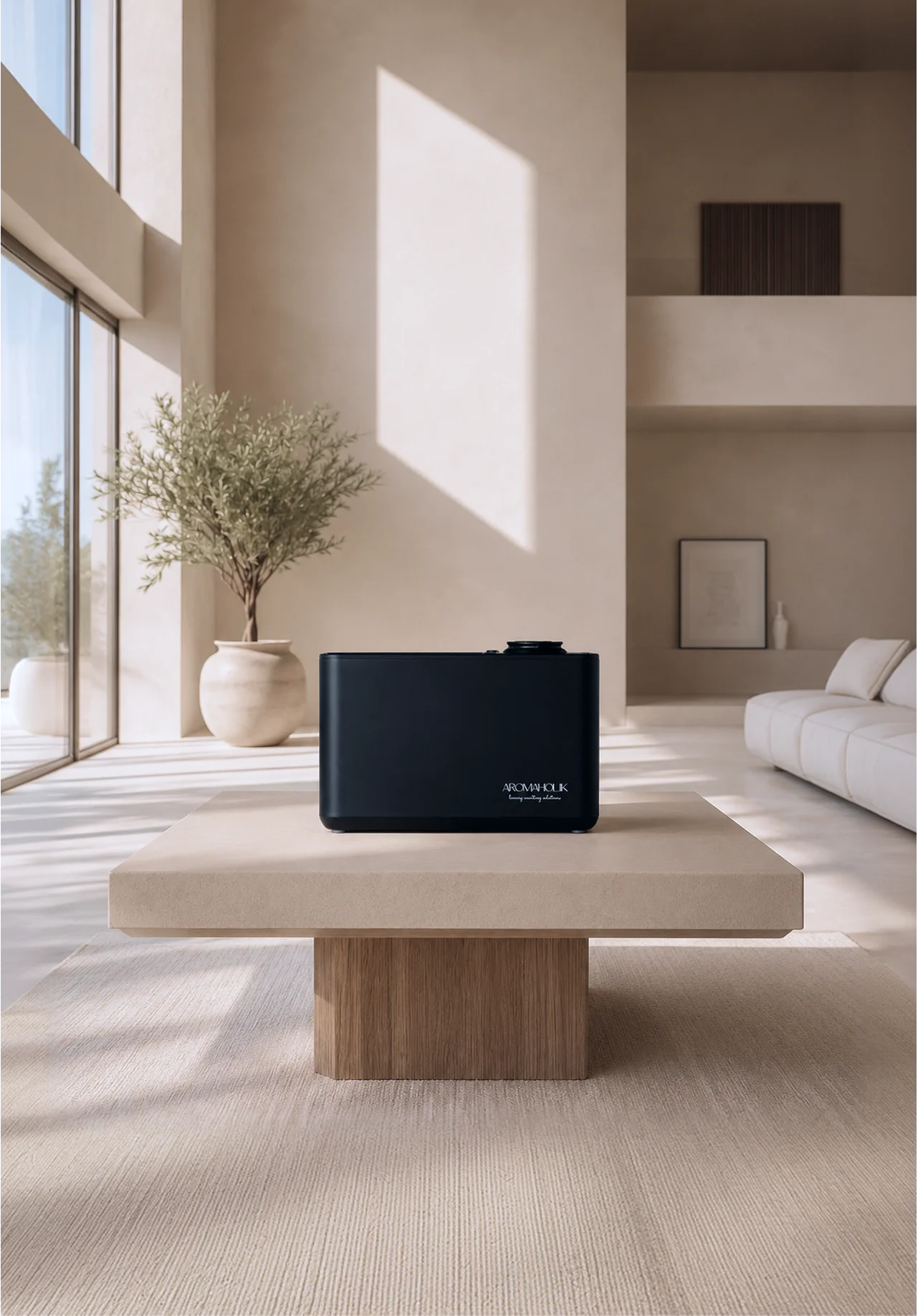
AroBliss uses this approach and connects directly to a central air conditioning system. The fragrance enters the HVAC airflow and is distributed through the home's vents. AromaHolik says this creates consistent fragrance coverage across the home while keeping the system waterless and free from sticky residue.
Cold-air diffusion can be especially useful for larger homes, open floor plans, and people who want one consistent fragrance experience instead of separate scent sources in every room.
Waterless Diffusers
Waterless diffusers release fragrance oil without adding water. Many use cold-air or nebulizing technology to disperse fragrance directly into the room.
They can provide a stronger fragrance experience than some water-based options because the fragrance oil is not diluted with water.
A standalone waterless diffuser can work well in a bedroom, living room, office, entryway, or other specific area where you want concentrated fragrance.
Ultrasonic Diffusers
Ultrasonic diffusers use water and ultrasonic vibrations to disperse a fine mist into the room.
They are common because they are easy to use and often have compact designs. You add water, add the recommended amount of fragrance or essential oil, and run the diffuser.
The main consideration is maintenance. Because the reservoir holds water, you need to empty and clean it regularly.
Ultrasonic diffusers are often better suited to smaller spaces than whole-home scenting.
Heat Diffusers
Heat diffusers use warmth to release fragrance into the surrounding air.
They can be simple and quiet. However, heat can affect certain fragrance compounds, so this type may not be ideal if preserving the original fragrance profile is your main concern.
Evaporative Diffusers
Evaporative diffusers use air movement to help fragrance evaporate from a pad, wick, or similar material.
They can be simple and portable. They are often useful for personal spaces or small rooms, but they may provide less consistent coverage across larger areas.
Which Diffuser Is Best for Your Home?
For most homeowners, the best diffuser depends on the area you want to scent.
A cold-air HVAC diffuser is often the most practical choice for fragrance throughout several rooms. For a single room, a standalone waterless diffuser may be enough. Those who prefer a water-based system and enjoy a visible mist may find an ultrasonic diffuser better suited to their routine.
Here is a simple comparison:
-
Diffuser Type: Cold-Air HVAC
Best For: Whole-home fragrance
Water Required: No
Coverage: Multiple rooms through HVAC
Maintenance: Low
Fragrance Control: High -
Diffuser Type: Waterless Standalone
Best For: Individual rooms
Water Required: No
Coverage: One room or defined area
Maintenance: Low
Fragrance Control: High -
Diffuser Type: Ultrasonic
Best For: Bedrooms and smaller rooms
Water Required: Yes
Coverage: Small to medium areas
Maintenance: Regular reservoir cleaning
Fragrance Control: Moderate to high -
Diffuser Type: Heat
Best For: Small personal spaces
Water Required: Usually no
Coverage: Small area
Maintenance: Low to moderate
Fragrance Control: Moderate -
Diffuser Type: Evaporative
Best For: Small spaces and portable use
Water Required: Usually no
Coverage: Small area
Maintenance: Pad or wick replacement
Fragrance Control: Moderate
Why Is a Cold-Air HVAC Diffuser a Good Choice for Whole-Home Fragrance?
A traditional diffuser sits in one location. Its fragrance starts at that location and spreads through the surrounding air.
HVAC systems take a different approach.
AroBliss connects to a central air conditioning system and distributes fragrance through the home's existing ductwork. AromaHolik describes its cold-air technology as converting fragrance oil into an ultra-fine dry mist without water or heat.
This matters if your goal is consistent fragrance across multiple rooms.
For example, imagine a home with a living room, kitchen, hallway, primary bedroom, and guest room. A standalone diffuser in the living room will mainly scent the area around that device. You may need additional units to create similar coverage elsewhere.
By using the home's existing airflow, this system distributes fragrance through multiple vents, helping create a more consistent scent throughout the living space.
That makes it particularly useful for homeowners who want one fragrance profile throughout their living space.
How Does an HVAC Diffuser Compare With a Traditional Diffuser?
The biggest difference is how fragrance moves through your home.
Unlike whole-home systems, traditional diffusers release fragrance from a single location. Their coverage depends on room size, airflow, placement, and diffuser output.
An HVAC diffuser uses your central air system to distribute fragrance through ductwork.
This can create a more consistent experience when your HVAC system runs regularly.
AroBliss also includes smartphone controls that allow users to adjust fragrance intensity and create schedules.
This can be useful if you want your home to smell fresh at certain times without manually turning the diffuser on and off.

What Is the Best Diffuser for a Large House?
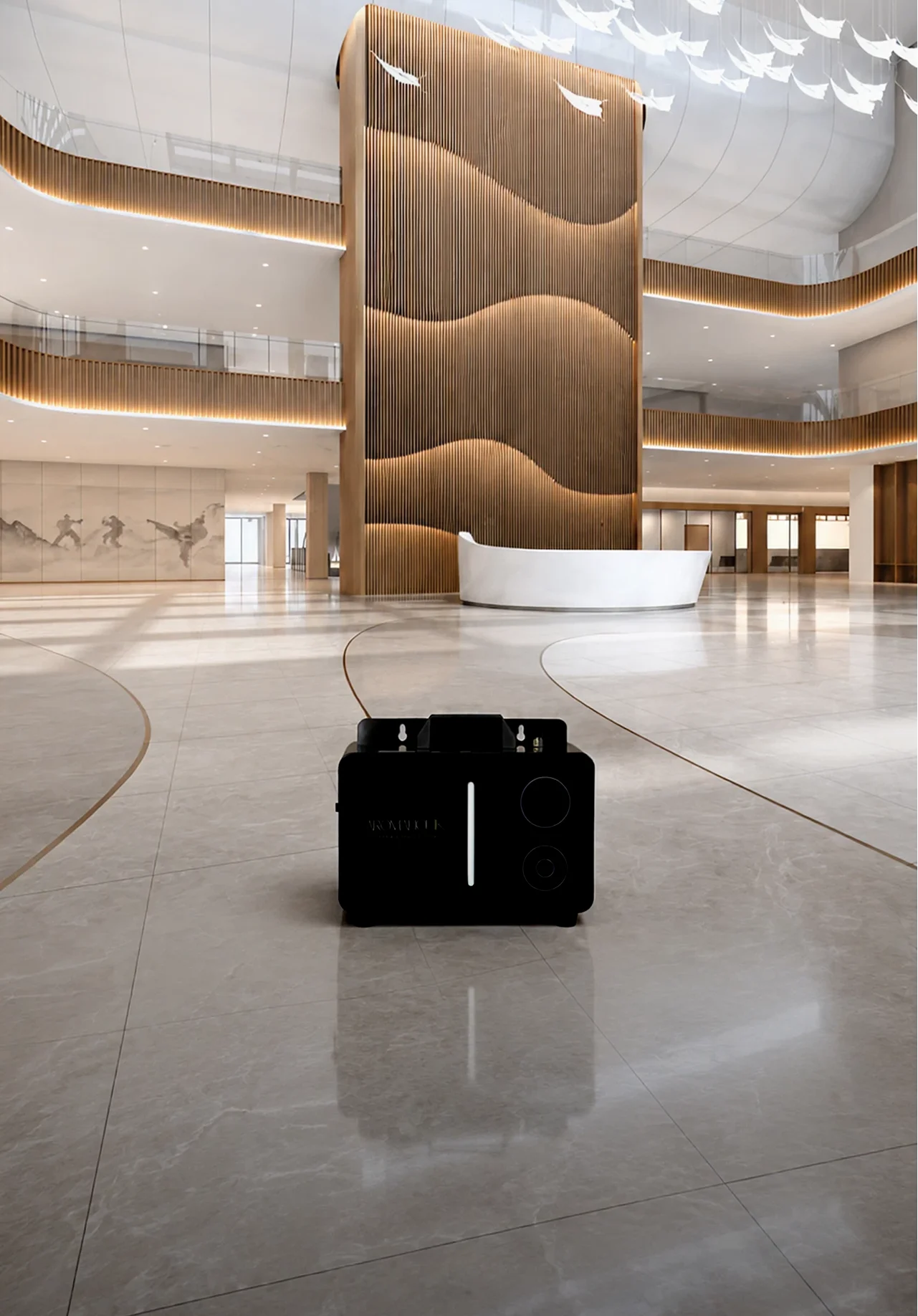
For a large house, a cold-air HVAC diffuser is usually the better option when the home has a central air system.
The reason is coverage.
Instead of relying on one device to scent a large open area, an HVAC-connected diffuser works with the home's existing air distribution system.
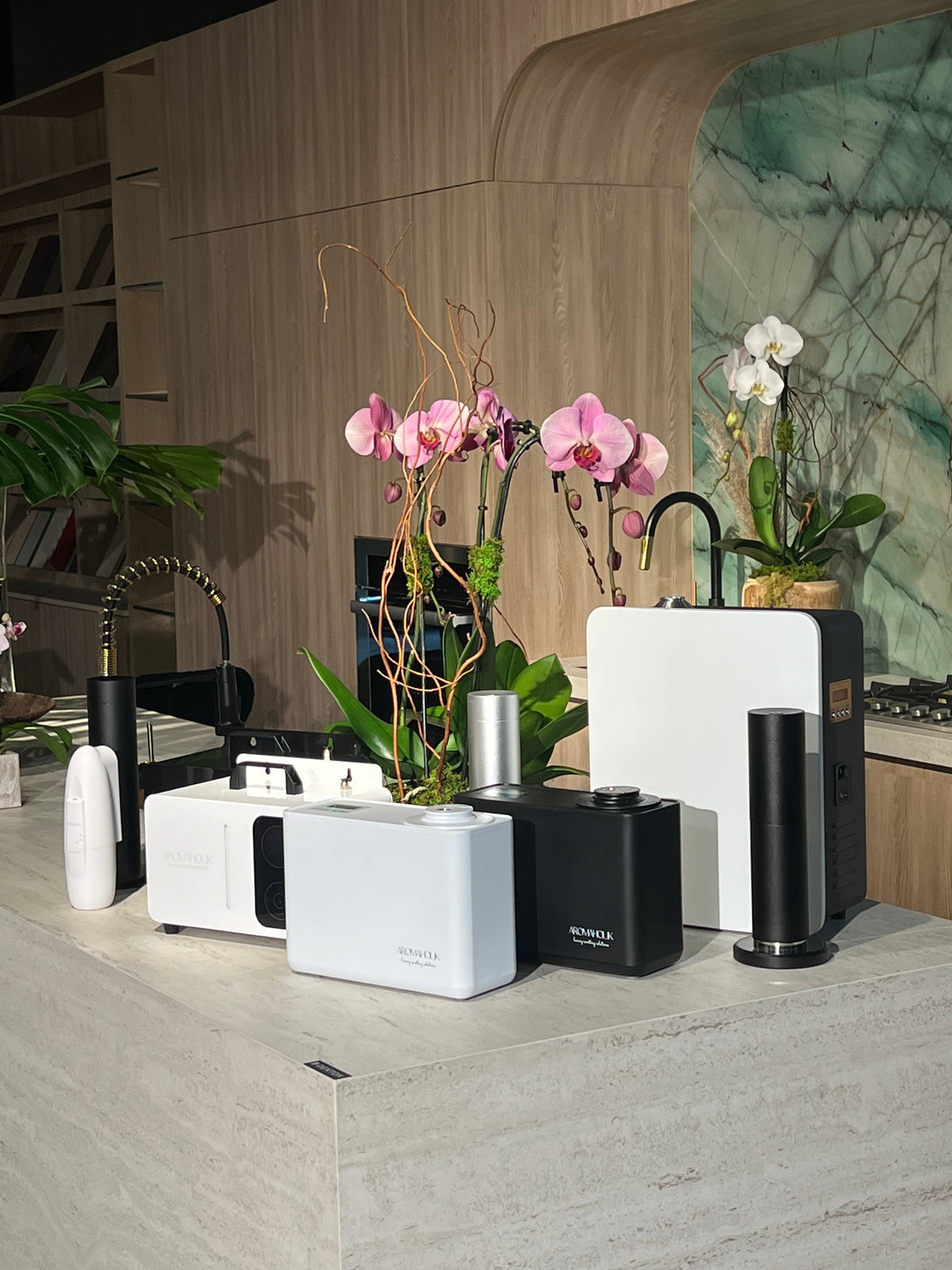
AromaHolik currently lists its diffusers according to space categories, including small to medium, medium to large, and extra-large spaces. Its product range includes AroBliss for medium to large spaces and AroSphere for extra-large spaces.
Before choosing a diffuser, consider your home's layout, square footage, number of floors, and HVAC setup.
A larger home may require a different diffuser or scenting setup than a one-bedroom apartment.
What Is the Best Diffuser for a Small Room?
A small room usually does not require a whole-home scenting system.
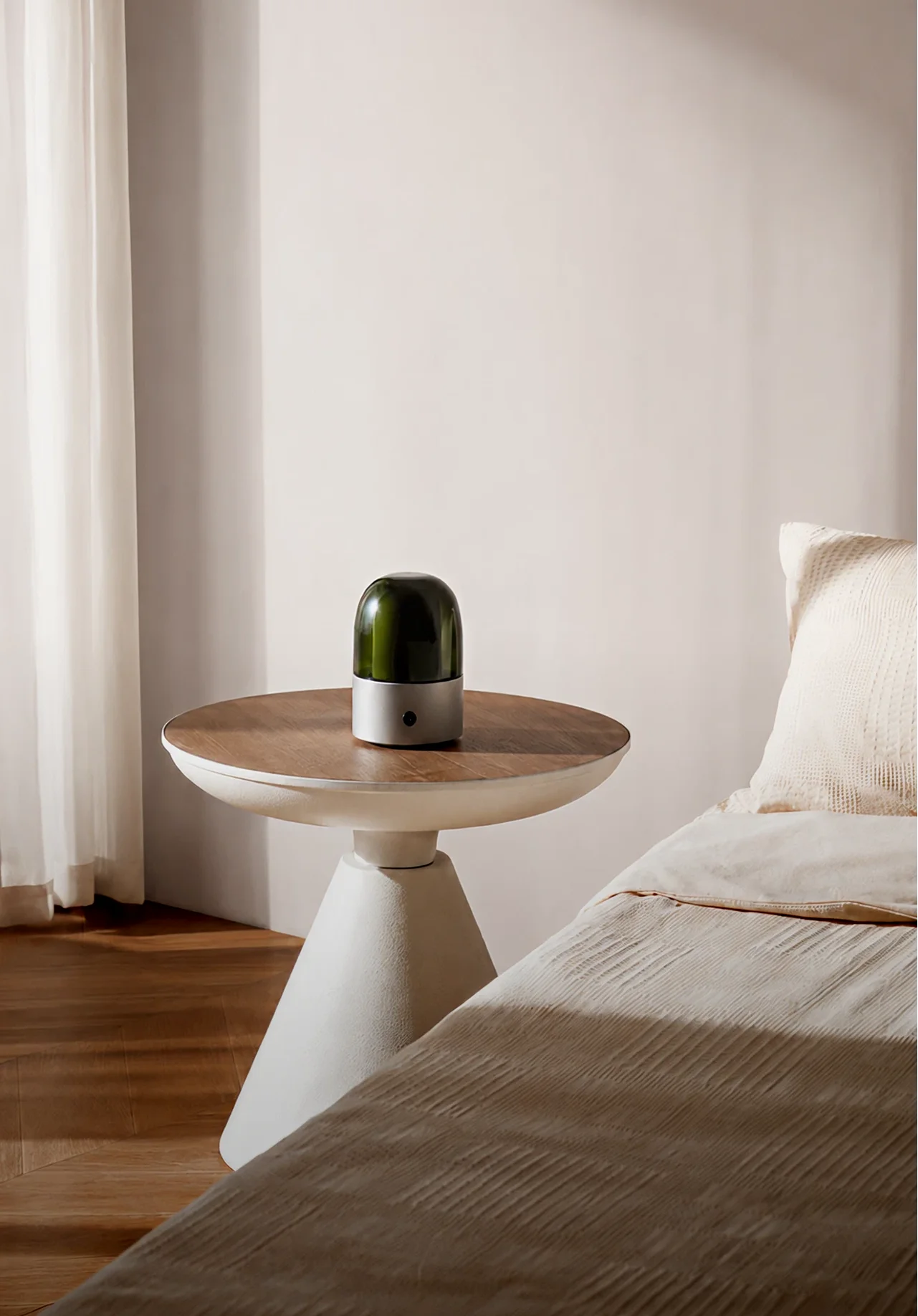
A standalone waterless diffuser can be a practical choice for a bedroom, office, bathroom, entryway, or other defined area.
AromaHolik offers several smaller-space diffuser options, including The Wall Bloom, Opal Diffuser, and Luminous Diffuser. The company lists these products for smaller spaces, with the Luminous Diffuser described as suitable for spaces up to 900 square feet.
When selecting a diffuser for a small room, avoid choosing a model designed for a much larger area unless you can adjust its output.
Too much fragrance in a small room can feel overwhelming.
Is a Waterless Diffuser Better Than an Ultrasonic Diffuser?
Neither option is automatically better. The better choice depends on how you want to use it.
Choose a waterless diffuser if you want concentrated fragrance without filling and cleaning a water reservoir.
Choose an ultrasonic diffuser if you prefer a water-based system and want a visible mist as part of the experience.
Waterless systems can also be convenient for people who do not want to keep water in the diffuser.
A cold-air system can be especially useful when you want fragrance without water, heat, or a wet mist. AromaHolik states that its cold-air technology uses fragrance oil without water and produces a dry mist.
How Much Maintenance Does Each Diffuser Need?
Maintenance is an important factor when choosing a home scent diffuser.
Ultrasonic diffusers need regular cleaning because water sits inside the reservoir. Mineral buildup and leftover oil can also affect performance if the reservoir is not cleaned properly.
Waterless diffusers do not require a water reservoir, so there is less daily handling.
Cold-air HVAC systems also avoid water. AromaHolik describes AroBliss as waterless and mess-free, with the fragrance dispersed as a dry mist.
You should still follow the manufacturer's cleaning, oil replacement, and maintenance instructions for any diffuser.
How Should You Choose a Diffuser Based on Room Size?
Room size should be one of your first considerations.
A compact standalone diffuser may provide enough coverage for a small bedroom or office.
Medium and large living areas require a diffuser rated for the space.
Homes with several connected rooms may benefit from an HVAC diffuser if central air is available.
For very large or open spaces, check the manufacturer's coverage recommendations before purchasing.
Do not choose a diffuser based only on its appearance or price. A low-cost device may not provide enough coverage for a large room. You could end up buying multiple units.
Can You Use More Than One Type of Diffuser in Your Home?
Yes. Using different diffuser types in different areas can make sense.
For example, you could use an HVAC diffuser for your main living areas and add a standalone diffuser in a smaller room where you want more fragrance.
AroBliss can provide the main whole-home fragrance experience, while AromaHolik's Wall Bloom or another standalone diffuser can add extra fragrance in areas where the central air does not run as frequently.
This setup can also work well in rooms that are separated from the home's main airflow.
What Should You Consider Before Buying a Home Diffuser?
Before buying a diffuser, ask yourself a few practical questions.
How Large Is Your Space?
Check the diffuser's recommended coverage. A bedroom and a multi-room home have very different requirements.
Do You Have Central HVAC?
If you want fragrance throughout your home and have a central air system, an HVAC diffuser may be worth considering.
How Much Maintenance Do You Want?
If you dislike cleaning water reservoirs, consider a waterless option.
How Strong Do You Want the Fragrance?
Look for adjustable intensity settings. Smartphone controls can also help you create a schedule that matches your routine.
Do You Want One Fragrance Throughout Your Home?
If the answer is yes, whole-home diffusion can provide a more consistent approach than placing separate diffusers in individual rooms.

Why Choose AroBliss for Whole-Home Fragrance?
AroBliss is designed for homeowners who want fragrance distributed throughout the home instead of concentrated around one device.
It connects to a central HVAC system and uses cold-air diffusion to turn fragrance oil into a fine dry mist. The mist then moves through the home's air ducts and vents.
The system is also waterless, and AromaHolik states that it leaves no sticky residue on furniture or AC ducts. It includes smartphone controls for fragrance intensity and scheduling.
For homeowners who want a consistent fragrance throughout multiple rooms, this makes AroBliss a strong option.
For smaller spaces or areas that do not receive frequent air conditioning, a standalone diffuser can provide additional fragrance when needed.
Frequently Asked Questions
1. Which type of diffuser is best for your home?
The best diffuser depends on your space and fragrance goals. For whole-home coverage, a cold-air HVAC diffuser is a strong choice. For individual rooms, waterless and ultrasonic diffusers can work well.
2. What is the best fragrance diffuser for home use?
For whole-home fragrance, AromaHolik recommends AroBliss because it connects to a central HVAC system and distributes fragrance through the home's vents.
3. Are cold-air diffusers better than ultrasonic diffusers?
They serve different purposes. Cold-air diffusers do not require water and can provide strong, consistent fragrance coverage. Ultrasonic diffusers use water and are often better suited to individual rooms or smaller spaces.
4. Does a cold-air diffuser use water?
No. Cold-air diffusion does not require water. AromaHolik states that its cold-air technology converts fragrance oil into a fine dry mist without water or heat.
5. Can an HVAC diffuser scent an entire house?
Yes, an HVAC diffuser can distribute fragrance through the ductwork of a home with a compatible central air system. AroBliss is designed to connect to central HVAC and distribute fragrance through the home's vents.
6. What is the best diffuser for a small bedroom?
A compact standalone diffuser is usually sufficient for a small bedroom. Waterless and ultrasonic diffusers are both options. Choose one with adjustable output so you can control the fragrance level.
7. How often should you clean a diffuser?
The schedule depends on the diffuser type and manufacturer's instructions. Ultrasonic diffusers generally require regular reservoir cleaning because they use water. Waterless and cold-air systems do not have water reservoirs, but they still require proper maintenance.
8. Is a waterless diffuser better for large rooms?
A waterless diffuser can work well in large rooms if its coverage matches the space. For multiple rooms, an HVAC-connected diffuser may be more suitable because it can distribute fragrance through the home's air system.
9. Can I use a home diffuser in multiple rooms?
Yes. You can use individual diffusers in separate rooms, or use an HVAC diffuser for broader coverage. Some homeowners may also combine an HVAC diffuser with a standalone diffuser for areas that need additional fragrance.
10. How do I choose the best home diffuser?
Start with your room size, desired coverage, HVAC setup, maintenance preferences, fragrance intensity, and control options. For consistent fragrance throughout several rooms, consider a cold-air HVAC diffuser. A standalone diffuser may be sufficient when you only need fragrance in one room.
Conclusion
Choosing the best home diffuser comes down to how you want fragrance to move through your space.
An ultrasonic diffuser can work well for smaller rooms and uses water to disperse fragrance. A waterless standalone diffuser is useful when you want concentrated fragrance without a water reservoir. Heat and evaporative diffusers can also suit specific small-space needs.
If your goal is a consistent fragrance experience across multiple rooms, a cold-air HVAC diffuser offers a different approach. AroBliss connects to your central HVAC system and distributes a fine, dry fragrance mist through the home's existing vents.
For smaller spaces or rooms where the air conditioning does not run often, a standalone diffuser can complement the main system.
The best home scent diffuser is the one that matches your home's size, airflow, maintenance preferences, and desired fragrance coverage. Start with those factors, then choose the diffuser designed for the space you want to scent.

Popular Articles

How to Choose the Right Diffuser for Your Room Size
Read More
Bring the Ritual Home
Continue Shopping