Do Diffusers Get Rid of Smell? What You Need to Know
Table of content
Takeaway
Do diffusers get rid of smell? No, fragrance diffusers generally do not eliminate the source of unpleasant odors. They release fragrance into the air, which can help mask unwanted smells and make your home or workplace smell fresher.
If your kitchen smells like food, your bathroom has a lingering odor, or your living room feels stuffy, a fragrance diffuser can improve how the space smells. However, it cannot replace proper cleaning, ventilation, or odor removal. Understanding the difference between eliminating an odor and masking it can help you choose the right solution for your space.
In this guide, you will learn whether diffusers get rid of smell, which odors they can help mask, what they cannot do, and how to make your home smell fresh for longer.

Do Diffusers Get Rid of Smell or Just Mask It?
Do diffusers actually get rid of smell? Fragrance diffusers do not generally remove unwanted odors. Instead, they release fragrance oil into the surrounding air, adding a pleasant scent that can make unpleasant smells less noticeable.
For example, imagine that you cook a meal with strong spices. The smell may remain in your kitchen after you finish eating. A diffuser can introduce another fragrance into the room, making the lingering cooking smell less noticeable.
However, the original odor may still be present.
This distinction matters because different problems require different solutions. A diffuser may improve the fragrance experience in a room, but it will not remove food residue, clean a dirty surface, eliminate mold, or repair a plumbing issue.
If you want to get rid of a smell completely, identify its source first. Once you have addressed the cause, a diffuser can help maintain a pleasant fragrance in the space.
How Do Fragrance Diffusers Work?
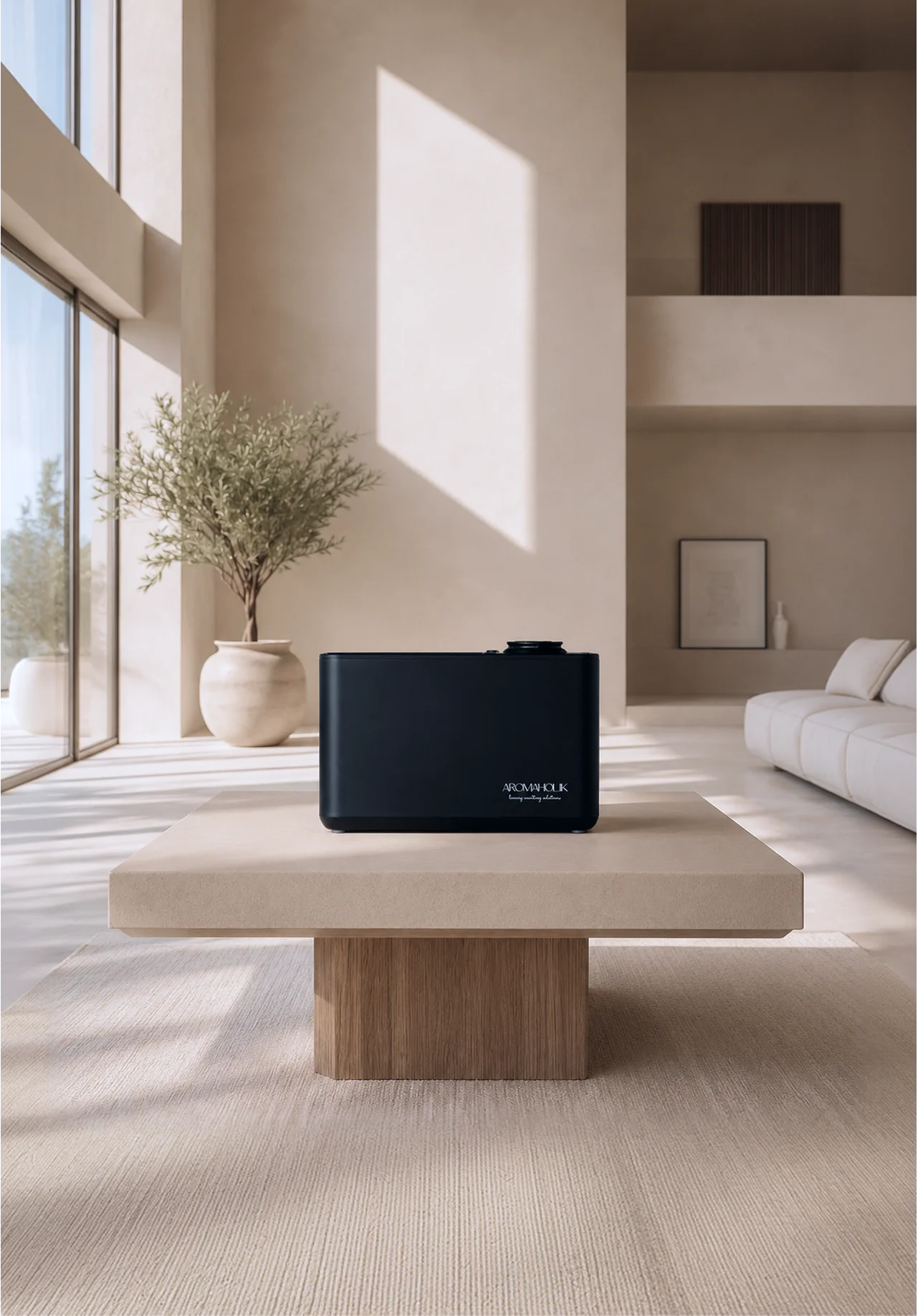
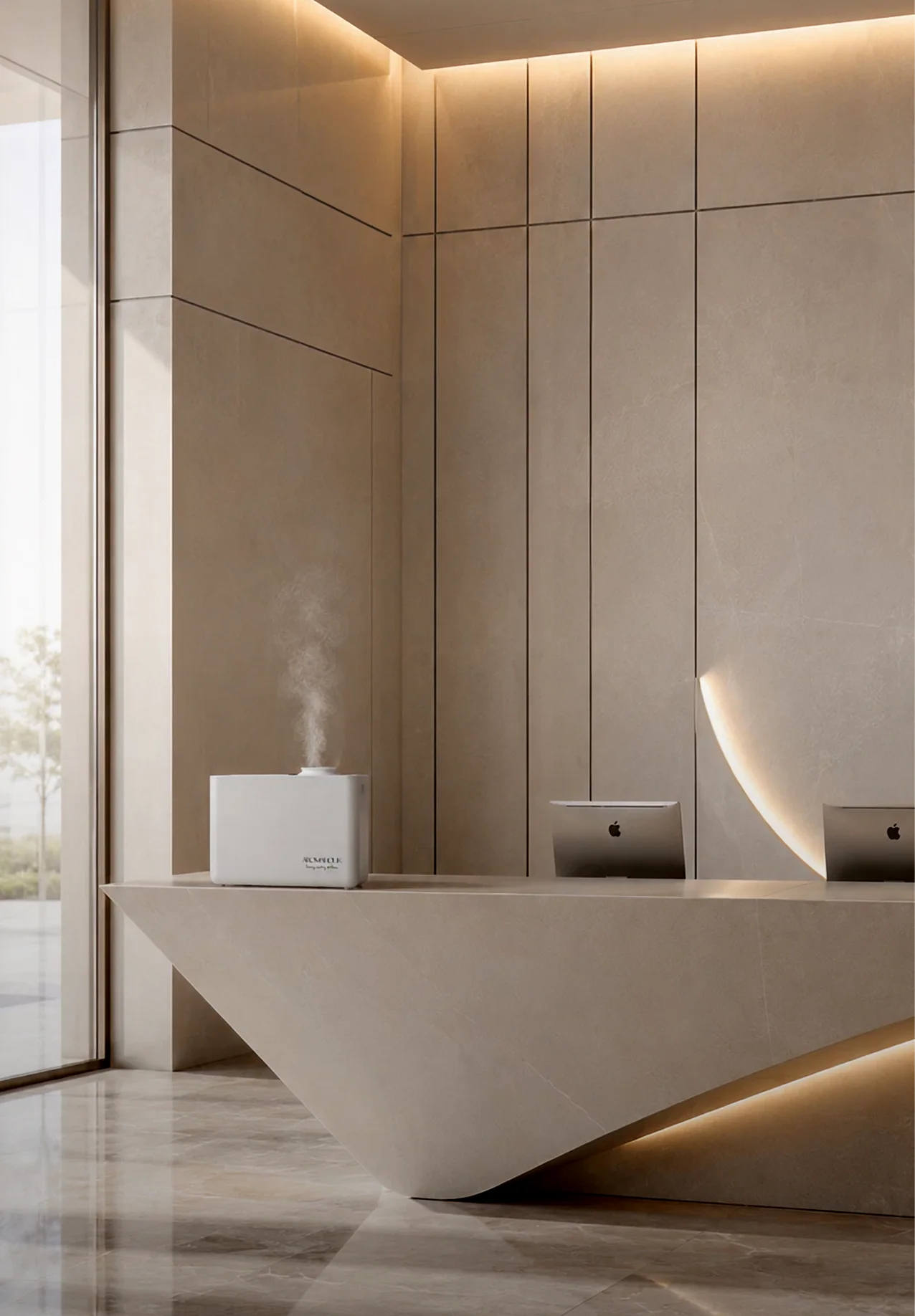
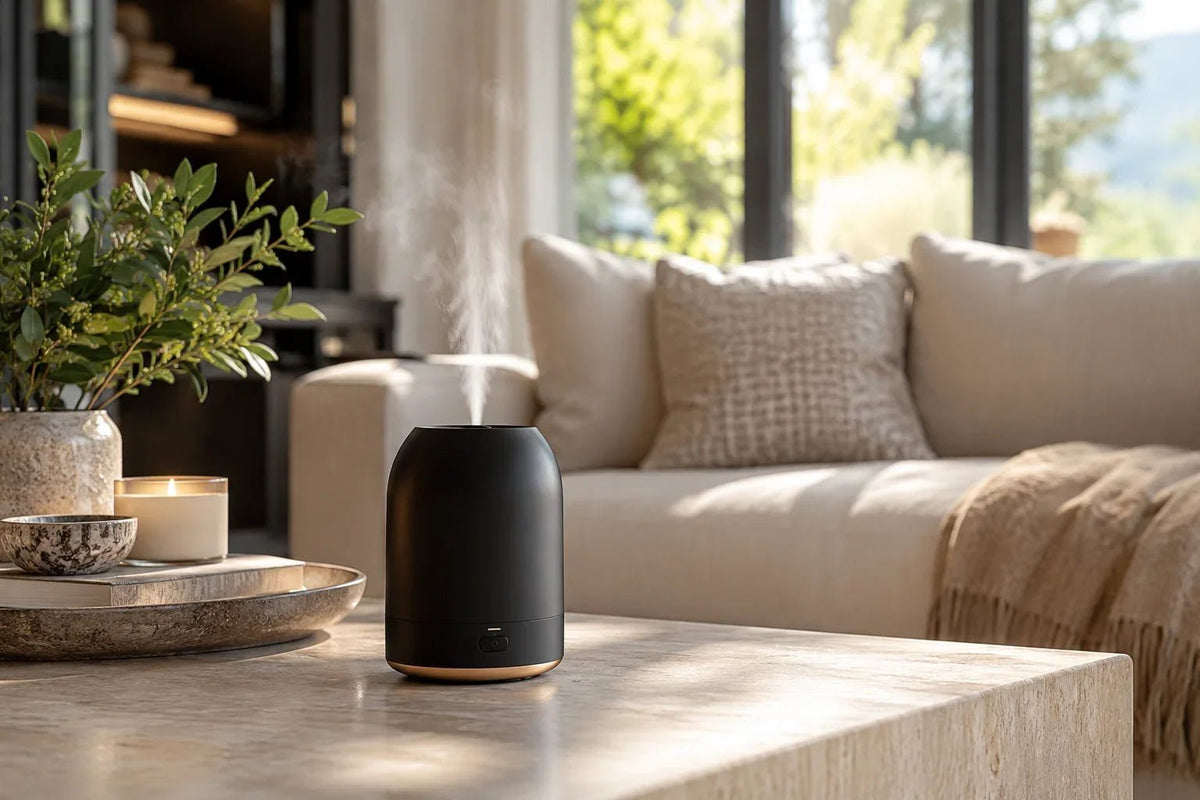
A fragrance diffuser disperses scented oil or another fragrance mixture into the air. The fragrance molecules spread through the surrounding space, where you can detect their scent.
Different diffusers use different methods to distribute fragrance.
-
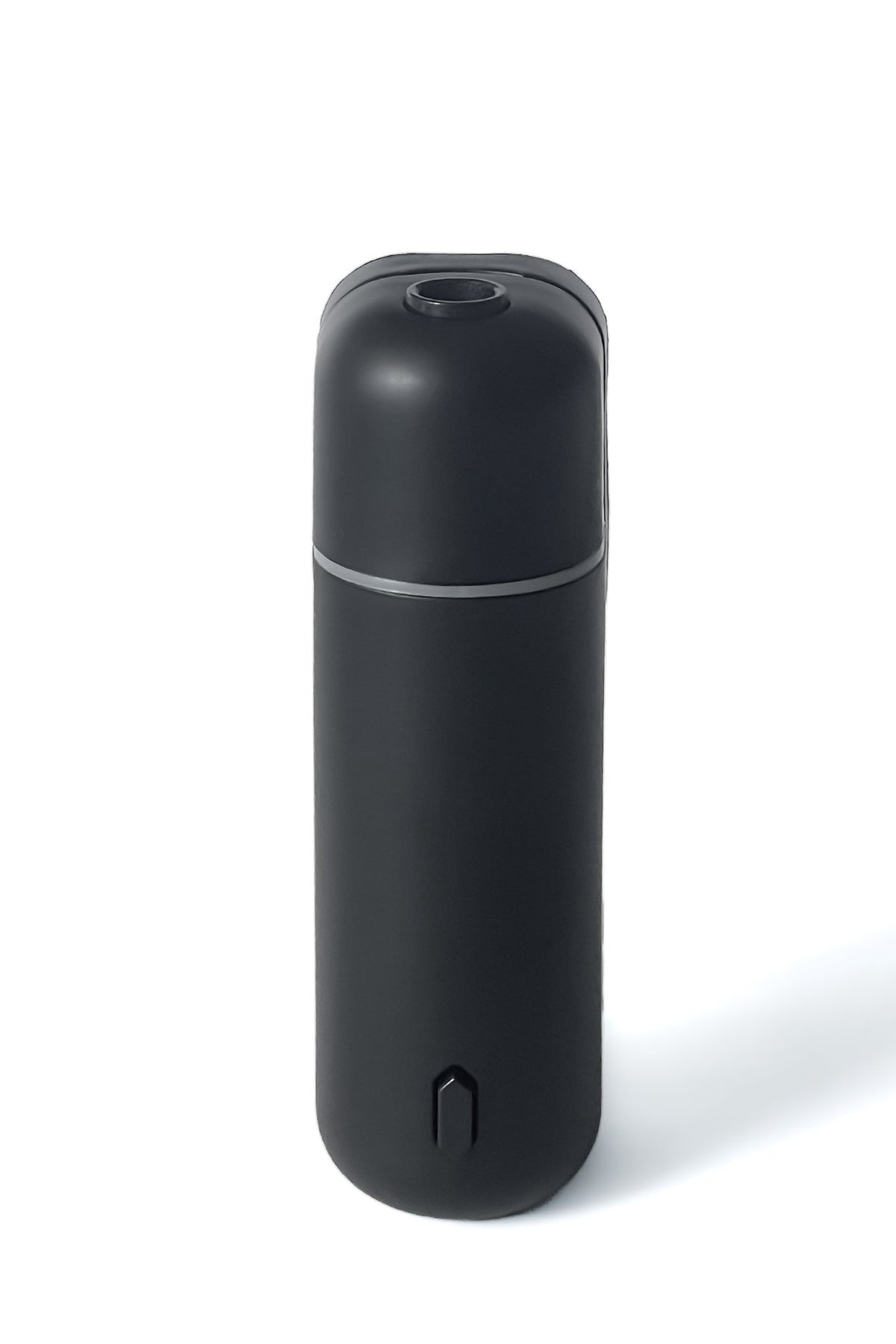
Cold-air diffusers use air pressure to turn fragrance oil into a fine mist without water or heat.
-
Ultrasonic diffusers use water and ultrasonic vibrations to release a fine mist into the room.
-
Heat diffusers use warmth to help release fragrance.
-
Evaporative diffusers use airflow to help fragrance evaporate from a pad, wick, or similar material.
The result depends on the diffuser type, fragrance formulation, room size, and airflow.
A diffuser designed for a small bedroom may not provide enough fragrance for a large open-plan living area. Similarly, a device placed in a closed corner may distribute fragrance differently from one positioned in an area with good airflow.
Most importantly, releasing fragrance into the air is different from removing odor-causing substances.
What Is the Difference Between Odor Elimination and Odor Masking?
Odor elimination and odor masking serve different purposes. Knowing the difference helps you set realistic expectations when choosing a home fragrance product.
What Is Odor Masking?
Odor masking occurs when a fragrance makes an unpleasant smell less noticeable by introducing another scent into the environment.
For example, if your living room has a lingering cooking smell, a diffuser can release a fresh fragrance that changes the overall scent experience. You may notice the fragrance more than the original smell.
The unwanted odor may still remain in the air or on nearby surfaces.
Fragrance masking can be useful when you want a room to smell more pleasant after cleaning, during everyday activities, or while maintaining a consistent fragrance throughout your home.
However, masking is not a substitute for cleaning or removing the cause of the odor.
What Is Odor Elimination?
Odor elimination involves addressing the substances or conditions responsible for an unpleasant smell.
The correct method depends on the source.
For example:
-
Food odors may require removing food waste, cleaning kitchen surfaces, and ventilating the room.
-
Bathroom odors may require cleaning fixtures, checking drains, and improving ventilation.
-
Smoke odors may require cleaning affected surfaces, washing fabrics, and addressing contaminated materials.
-
Pet odors may require cleaning bedding, washing washable fabrics, and using an appropriate cleaner for affected surfaces.
-
Musty odors may require finding and correcting moisture problems.
Some products are specifically designed to neutralize or remove certain odor-causing compounds. Their effectiveness depends on their ingredients and intended use.
A standard fragrance diffuser should not be treated as an odor eliminator unless the manufacturer specifically supports that claim.
Can a Diffuser Both Mask and Eliminate Odors?
A regular fragrance diffuser primarily adds scent. It should not be assumed to eliminate unwanted odors.
Some specialized products combine fragrance with ingredients designed to neutralize specific odor-causing compounds. These products work differently from ordinary fragrance oils, so check the manufacturer's claims and instructions before using them.
For Aromaholik's fragrance diffusers, the main purpose is to create a pleasant and consistent fragrance experience. They are not intended to remove the source of unwanted smells.

Which Smells Can Diffusers Help Mask?
A diffuser can make several everyday odors less noticeable by adding fragrance to the air. However, results vary depending on the strength of the original smell and the fragrance being used. It’s important to select the fragrance that suits your needs and preferences.
Cooking Smell
Cooking can leave strong odors in kitchens and adjoining living areas. Ingredients such as garlic, onions, fish, and spices may leave lingering smells after a meal.
Start by removing food waste, washing dishes, cleaning cooking surfaces, and opening windows or using an extractor fan when appropriate.
Once the source has been addressed, a diffuser can help restore a pleasant fragrance to the room.
For homes with open-plan kitchens, a diffuser that distributes fragrance across a larger area may help maintain a more consistent scent experience.
Pet Odors
Pets can leave smells on bedding, carpets, furniture, and other surfaces. A diffuser may make the surrounding air smell more pleasant, but it will not clean contaminated materials.
Wash pet bedding regularly and use suitable cleaning products for affected surfaces. If the odor comes from urine or another biological source, use a cleaner designed for that type of contamination.
Be mindful of pet safety when choosing fragrance products. Some essential oils and concentrated fragrances can be harmful to cats, dogs, and other animals. Follow product safety instructions and consult your veterinarian if you are unsure whether a fragrance is suitable for your pet.
Bathroom Odors
Bathrooms can develop unpleasant smells because of moisture, waste, poor ventilation, or drain problems.
Clean the affected areas and check whether the odor comes from the toilet, sink, shower drain, or another source. Persistent sewage-like smells may indicate a plumbing or drain issue that needs professional attention.
A diffuser can add a pleasant fragrance after cleaning, but it will not correct the underlying problem.
Smoke Odors
Smoke can leave a strong smell in the air and cling to curtains, upholstery, carpets, walls, and other surfaces.
A diffuser may make the space smell more pleasant temporarily, but it will not remove smoke residue. Clean affected surfaces and fabrics as appropriate, and improve ventilation where possible.
Persistent smoke contamination may require specialized cleaning.
Musty Smell
A musty smell may indicate damp materials, poor ventilation, or mold growth.
Do not rely on a diffuser to cover this type of odor. Find and address the moisture source first. If you suspect significant mold growth or cannot identify the cause, consider professional assistance.
A fragrance diffuser can complement a clean, dry environment, but it cannot resolve moisture damage.
Why Does Your Room Still Smell Even When You Use a Diffuser?
If you are wondering why diffusers do not get rid of smell completely, the answer often comes down to the source of the odor, the size of the room, and how fragrance travels through the space. Several factors may explain why you still notice an unpleasant smell even when your diffuser is running.
The Odor Source Is Still Present
This is one of the most common reasons. A diffuser can add fragrance without removing the substance responsible for the smell.
If rubbish, dirty laundry, food residue, or damp materials remain in the room, the odor may continue.
Remove the source before relying on fragrance.
The Fragrance Is Too Weak for the Space
A diffuser designed for a small room may not provide sufficient fragrance in a large living area.
Check the manufacturer's recommended coverage and choose a device suited to your room size.
Avoid increasing fragrance intensity excessively to compete with a strong odor. The result may be an uncomfortable mixture of scents.
Airflow Is Affecting Fragrance Distribution
Air movement influences how fragrance travels through a room.
A standalone diffuser may provide stronger fragrance near the device and less in distant areas. Open doors, room layout, ventilation, and air conditioning can also affect the scent experience.
For larger homes, an HVAC diffuser may help distribute fragrance through multiple rooms when connected to a compatible central air system.
The Fragrance Is Not Suitable for Your Preferences
Fragrance perception varies from person to person. A scent that smells fresh to one person may feel too sweet, strong, or floral to someone else.
Choose a fragrance that suits the space and the people using it. Start with a lower intensity and adjust gradually.
You Have Become Less Sensitive to the Scent
When you spend time around the same fragrance, you may become less aware of it. This is known as olfactory adaptation.
You may notice the fragrance again after leaving the room and returning later.
This does not necessarily mean that the diffuser has stopped working. Avoid increasing the output simply because you no longer notice the scent as strongly.
How Can You Make a Room Smell Good for Longer?
f you want your home to smell fresh for longer, start with cleanliness and good airflow. While diffusers can help mask everyday odors, removing their source is the best first step toward maintaining a pleasant indoor environment.
1. Remove the Source of the Smell
Identify where the odor originates. Check rubbish bins, drains, laundry, pet bedding, kitchen surfaces, and damp areas.
Clean the affected area using products appropriate for the surface and odor source.
2. Improve Ventilation
Open windows when outdoor conditions allow, and use extractor fans in kitchens and bathrooms.
Ventilation helps move indoor air outside. It can also reduce the concentration of some airborne odors.
If outdoor air quality is poor, use suitable ventilation or filtration methods instead of opening windows.
3. Clean Fabrics and Frequently Used Surfaces
Curtains, rugs, cushions, upholstery, and bedding can hold odors.
Wash or clean them according to their care instructions. Pay attention to areas where pets sleep or where food and drinks are frequently consumed.
4. Choose the Right Diffuser for Your Space
Your diffuser should match the size and layout of the area you want to scent.
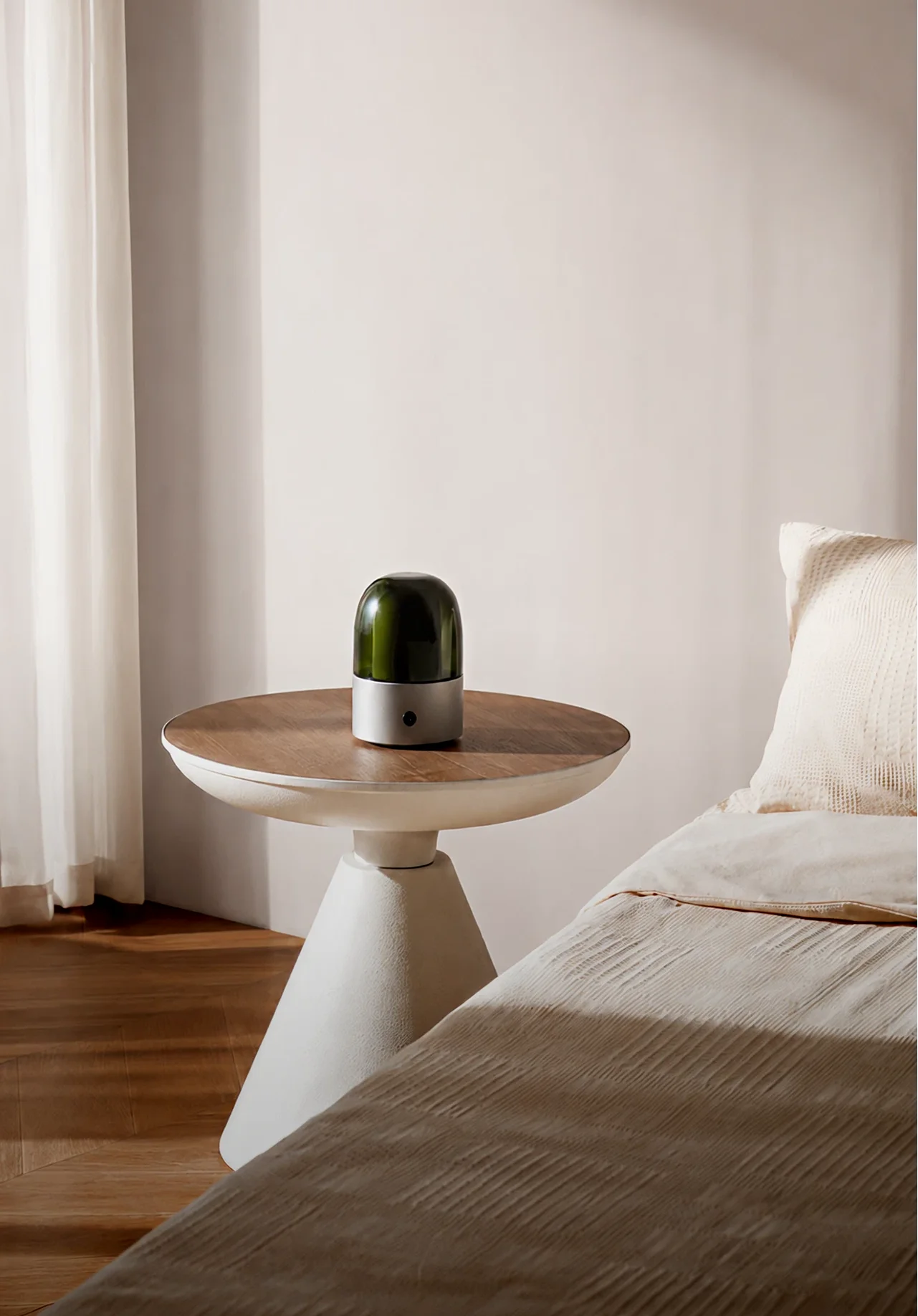
A standalone waterless diffuser may suit a bedroom or entryway. An ultrasonic diffuser may suit a smaller room if you prefer a water-based system. An HVAC diffuser may be more suitable for distributing fragrance throughout several connected rooms.
5. Use Consistent Fragrance Settings
A diffuser with adjustable output or scheduling can help maintain a more predictable fragrance level.
Choose settings that suit your daily routine. You may prefer a lower intensity overnight or during periods when the room is occupied for longer.
Consistent fragrance does not mean maximum fragrance. A balanced scent level is often more comfortable than a strong, continuous output.
Can an HVAC Diffuser Help Make Your Whole Home Smell Fresh?
An HVAC diffuser can help distribute fragrance across multiple rooms by using your home's existing central air system. If you want to make your whole home smell fresh, this can provide a more consistent fragrance experience. However, like other standard fragrance diffusers, it does not remove the source of unpleasant odors.
A standalone diffuser releases fragrance from one location. Its coverage depends on the room size, placement, and airflow.
An HVAC diffuser takes a different approach. It connects to compatible central heating, ventilation, and air conditioning equipment and distributes fragrance through the ductwork and vents.
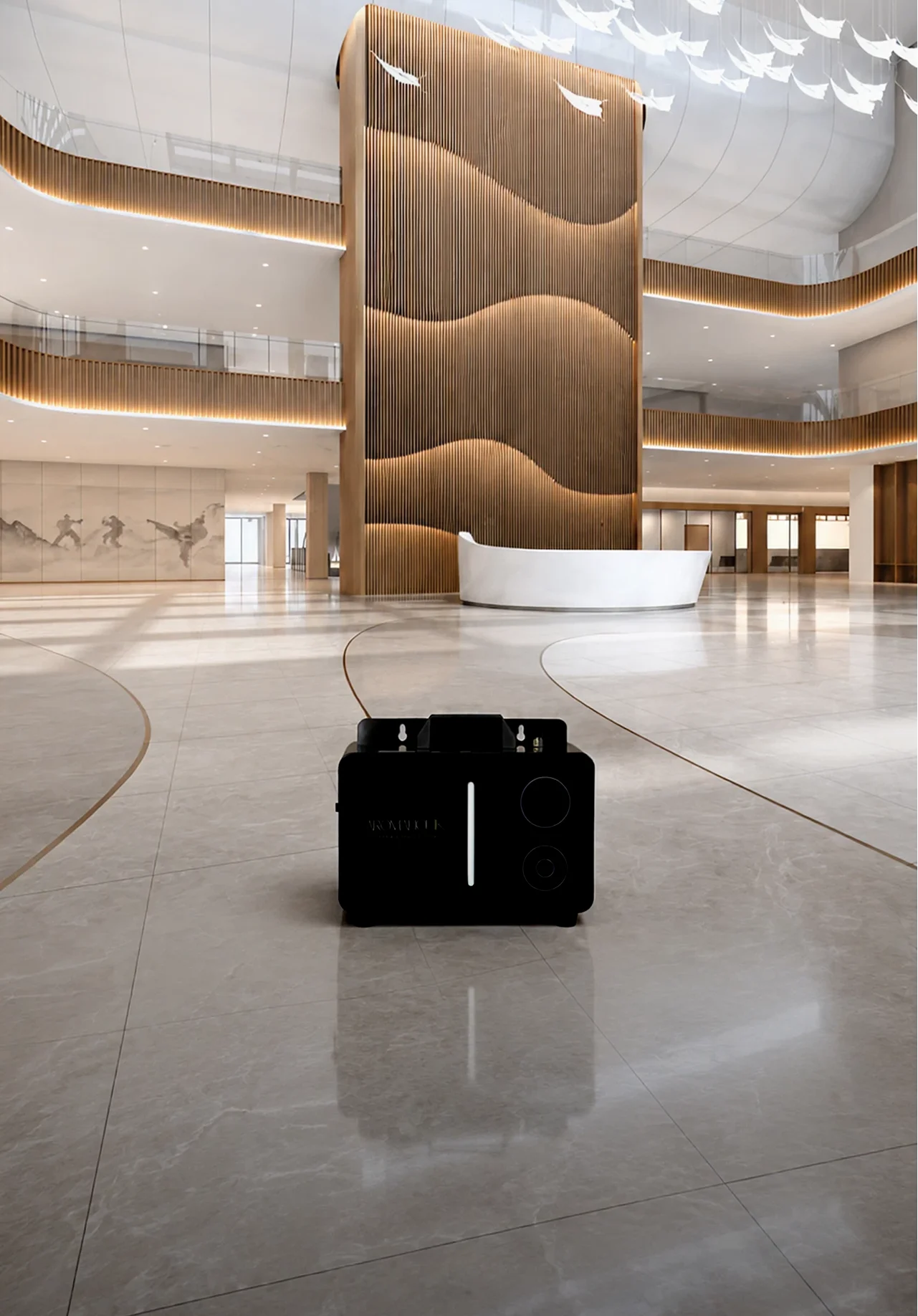
Aromaholik's AroBliss HVAC Diffuser uses cold-air diffusion to disperse fragrance oil as a fine, dry mist. This allows the fragrance to travel through the home's airflow rather than relying on a single device in one room.
This approach can be useful for homeowners who want a consistent fragrance experience across living rooms, hallways, and other connected areas.
Why Is Consistent Fragrance Distribution Useful?
Consistent fragrance distribution can help create a more uniform scent experience throughout a home.
For example, a standalone diffuser in the living room may provide a noticeable fragrance near the seating area while leaving a nearby hallway less scented.
An HVAC diffuser can distribute fragrance through multiple vents when the system is running and the setup is suitable for the home's layout.
Coverage depends on the HVAC system, airflow, room configuration, diffuser settings, and the fragrance used. It does not guarantee identical scent intensity in every room.
When Should You Pair an HVAC Diffuser With a Standalone Diffuser?
Some rooms may receive less airflow than others. A guest room, enclosed office, or space where the air conditioning rarely runs may need a separate fragrance source.
In these situations, you can use an HVAC diffuser for the main living areas and a standalone diffuser where you want additional fragrance.
Aromaholik offers standalone diffuser options that can complement a whole-home setup. Choose a suitable model for the room size and follow the manufacturer's placement and operating instructions.
Remember that adding another diffuser increases the amount of fragrance released into the environment. Adjust the settings to avoid an overpowering scent.

What Should You Look for in a Diffuser for Bad Smells?
If you are searching for a diffuser for odors, consider the following factors before buying one.
Fragrance Coverage
Check the recommended coverage area. A small diffuser may be suitable for a bedroom but insufficient for a large living room or several connected spaces.
Adjustable Intensity
Adjustable output helps you control how much fragrance enters the room. This is useful when you want a subtle scent rather than a strong fragrance.
Operating Method
Decide whether you prefer cold-air, ultrasonic, heat, or evaporative diffusion.
Cold-air diffusers do not require water or heat. Ultrasonic diffusers use water and require regular reservoir cleaning. Other options have their own maintenance requirements.
Maintenance
Consider how often you need to refill the device, clean its components, or replace fragrance oil.
Choose an option that fits your routine and follow the manufacturer's instructions.
Compatibility With Your Home
If you want whole-home fragrance, check whether your home has a compatible central HVAC system and whether the diffuser supports your setup.
For a single room, a standalone diffuser may be simpler.
Fragrance Safety
Read the product label and safety instructions. Consider children, pets, fragrance sensitivities, and ventilation when deciding where and how to use a diffuser.
Do not use fragrance to conceal a potentially dangerous odor, such as a suspected gas leak. Leave the area and contact the appropriate emergency or utility service if you suspect a gas leak.
Frequently Asked Questions
1. Do diffusers get rid of smells?
No, standard fragrance diffusers generally do not eliminate unwanted odors. They release fragrance that can make unpleasant smells less noticeable. You still need to address the source of the odor.
2. Do fragrance diffusers eliminate odors or mask them?
Most fragrance diffusers mask odors by adding another scent to the air. They do not remove odor-causing substances from surfaces or the environment.
3. What is the best diffuser for odors?
The best diffuser depends on the space and your goal. A standalone diffuser can help make one room smell more pleasant, while an HVAC diffuser can distribute fragrance across multiple rooms. Neither should be treated as a substitute for odor removal.
4. Can a diffuser remove cooking smells?
A standard diffuser cannot remove the source of cooking smells. Clean cooking surfaces, remove food waste, and ventilate the kitchen. A diffuser can then add a pleasant fragrance to the space.
5. Will a diffuser get rid of pet odors?
A diffuser may help make the air smell more pleasant, but it will not remove pet odors from carpets, bedding, or furniture. Clean affected materials with suitable products and keep pet areas clean.
6. Why does my room still smell bad when the diffuser is on?
The odor source may still be present, the diffuser may be too small for the room, or airflow may limit fragrance distribution. Identify and clean the source first, then check whether your diffuser is suitable for the space.
7. Does an HVAC diffuser eliminate odors throughout a house?
No. An HVAC diffuser distributes fragrance through a compatible central air system. It can help make multiple rooms smell pleasant, but it does not remove the source of unwanted odors.
8. How can I make my house smell good all day?
Keep your home clean, remove rubbish promptly, wash fabrics regularly, address moisture problems, and ventilate rooms appropriately. A diffuser with adjustable output or scheduling can help maintain a consistent fragrance throughout the day.
9. Are waterless diffusers better for masking smells?
Waterless diffusers can provide concentrated fragrance without a water reservoir. Their ability to mask odors depends on the fragrance, output, room size, and strength of the unwanted smell. They do not automatically eliminate odors.
10. Can I use a diffuser to cover a musty smell?
You can add fragrance to a room, but you should not use a diffuser to cover a persistent musty smell. Investigate possible moisture problems and mold growth, then address the cause. A diffuser can complement the space after the underlying issue has been resolved.
Conclusion
Do diffusers get rid of smells? Standard fragrance diffusers do not remove the source of unpleasant odors. Instead, they add fragrance to the air, making unwanted smells less noticeable and improving the overall fragrance experience in your home or workplace.
For lasting odor control, start by identifying the cause. Clean affected surfaces, remove waste, improve ventilation, and address problems such as dampness or plumbing issues. Use a diffuser afterward to maintain a pleasant fragrance.
If you want fragrance in one room, a standalone diffuser may meet your needs. If you prefer a consistent scent experience across multiple rooms, Aromaholik's AroBliss HVAC Diffuser uses cold-air diffusion and your home's compatible central air system to distribute fragrance through the vents.
Choosing the right diffuser depends on your space, fragrance preferences, and desired coverage. When you combine suitable fragrance distribution with proper cleaning and ventilation, you can create a home that smells fresher without relying on fragrance to hide a problem that needs attention.

Popular Articles

How to Choose the Right Diffuser for Your Room Size
Read More
Bring the Ritual Home
Continue Shopping