Waterless Diffuser vs. Traditional Essential Oil Diffuser: What’s the Difference?
Table of content
Takeaway
When comparing a waterless diffuser vs traditional diffuser, the main differences are how each device works, releases fragrance, and requires maintenance. A waterless cold-air diffuser disperses fragrance oil directly into the air, while a traditional water-based diffuser mixes essential oil with water to create a scented mist.
If you are choosing a diffuser for your home, you may be wondering whether a waterless model is worth the investment or whether a traditional essential oil diffuser will do the job.
Both options have their uses. Therefore, your choice depends on the fragrance experience you want, how much maintenance you are comfortable with, and the size of the area you want to scent.
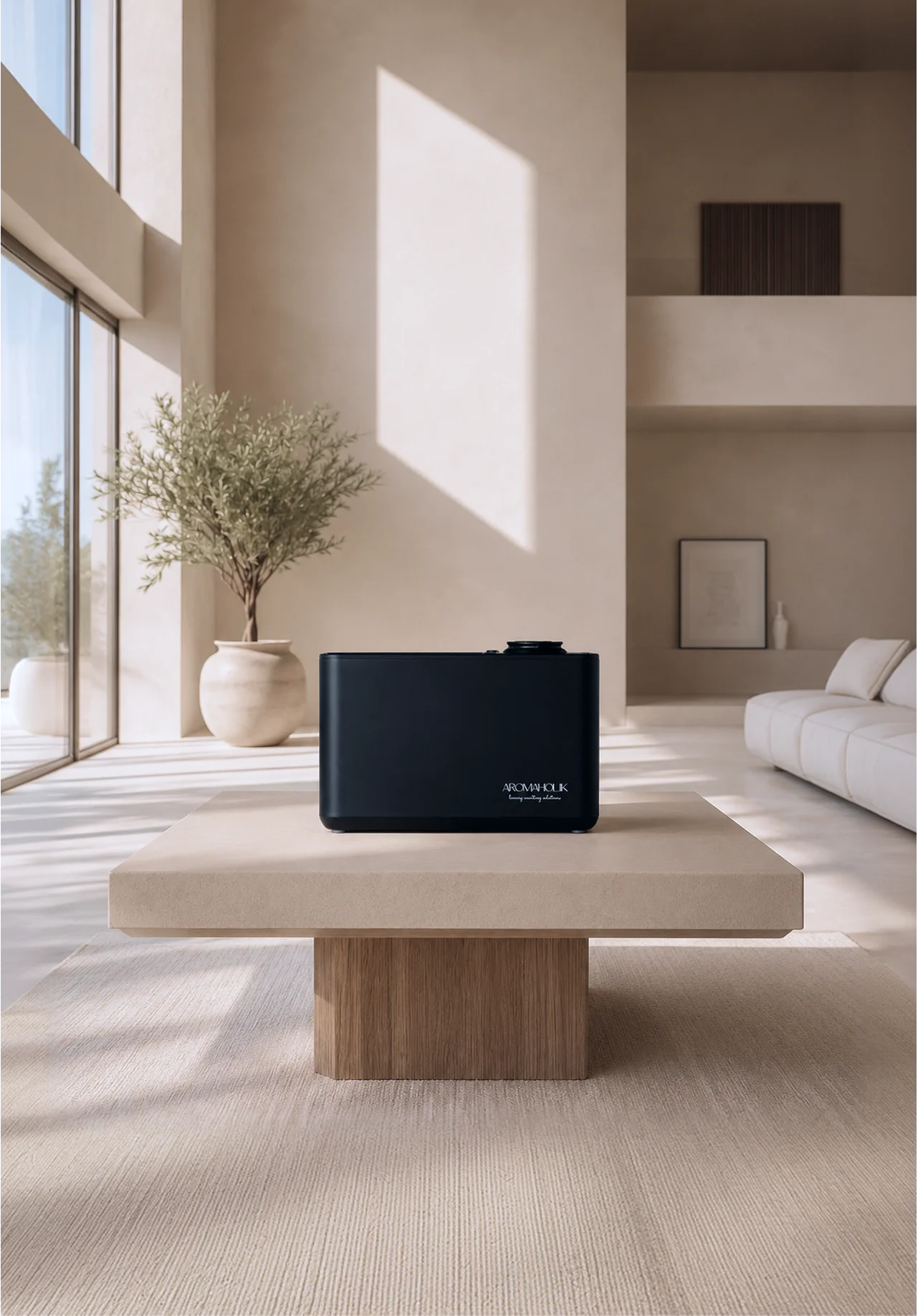
AromaHolik uses cold-air diffusion technology in its waterless diffusers. These devices use fragrance oil directly to create a fine, dry mist without water or daily mixing. Depending on your usage and preferred scent intensity, AromaHolik cold-air diffusers typically need a refill every 3–4 weeks.
Let’s look at how both options work and what you should consider before buying one.

What Is a Waterless Diffuser?
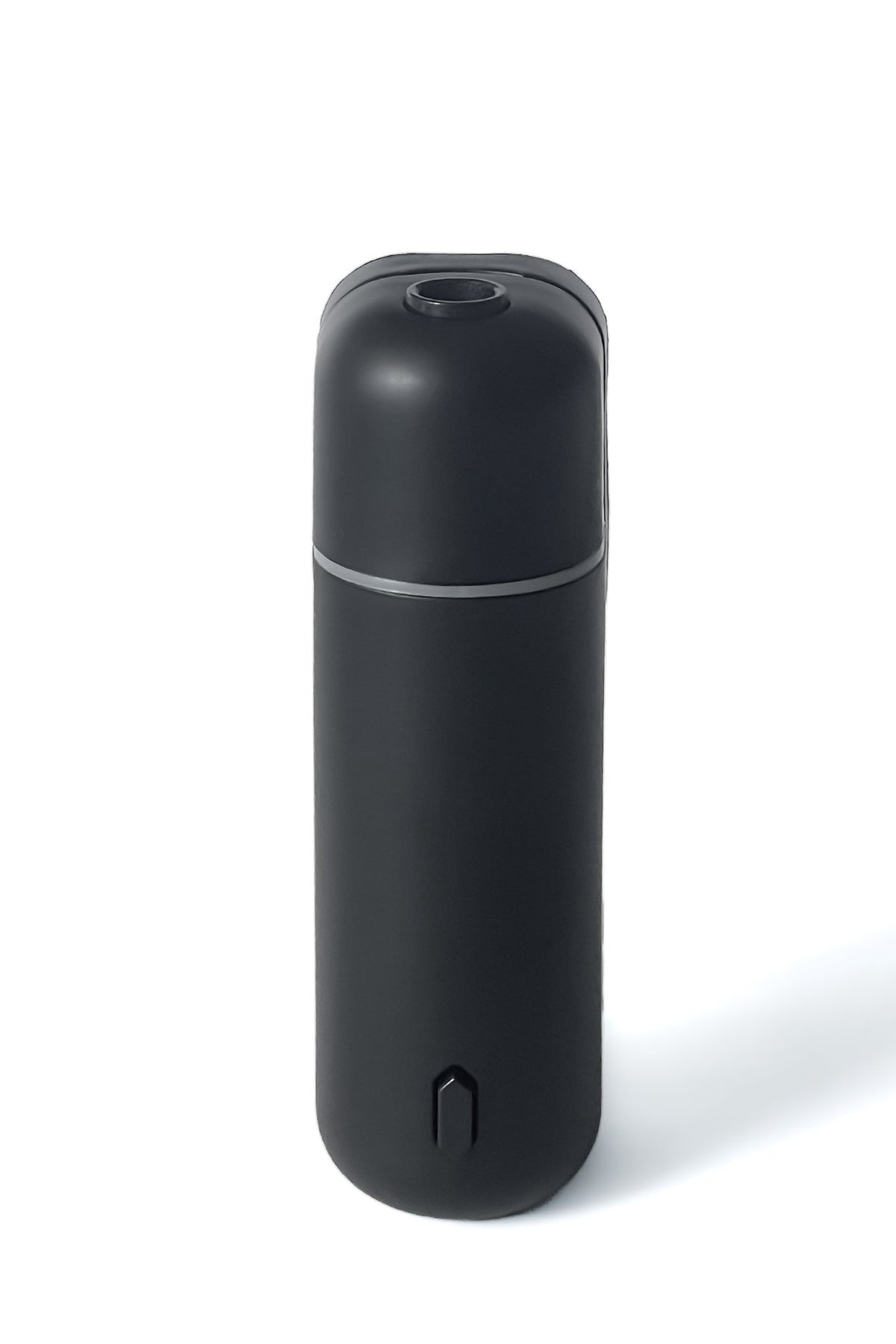
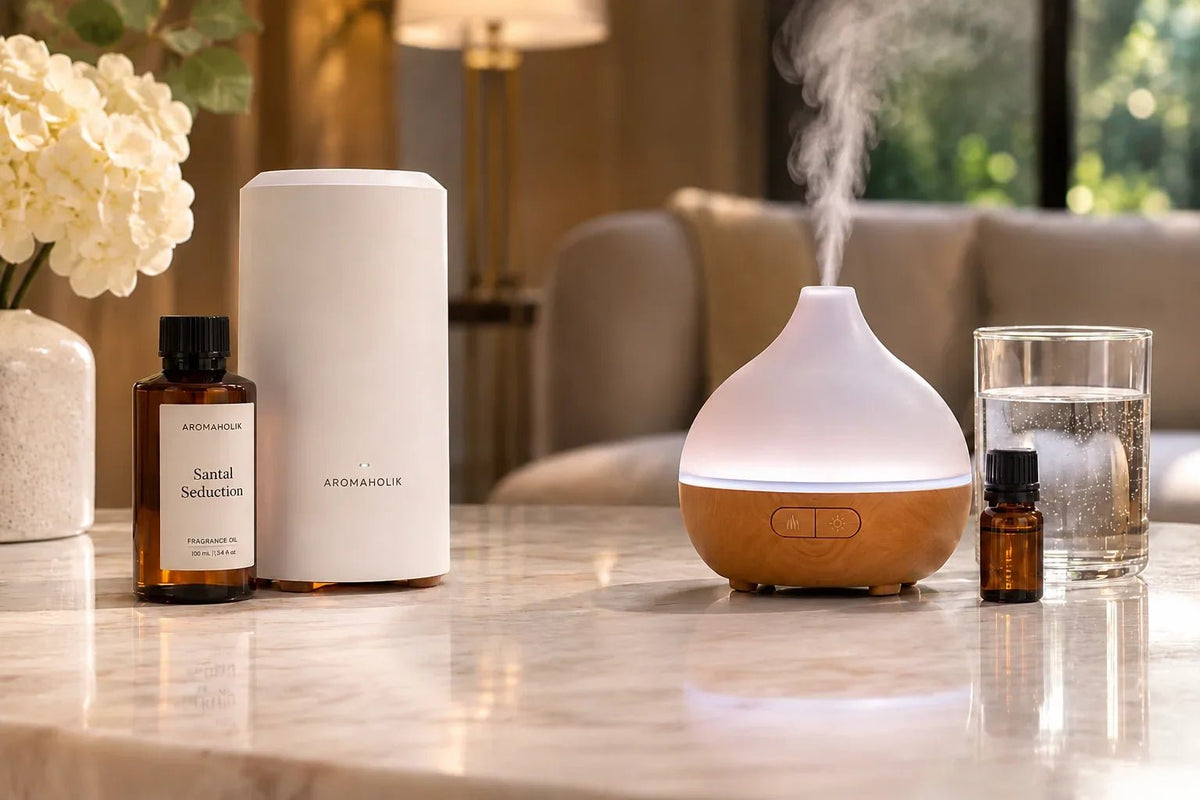
A waterless diffuser is a device that releases fragrance into the air without using a water reservoir. Instead of mixing oil with water, it uses fragrance oil directly and disperses it as a fine mist.
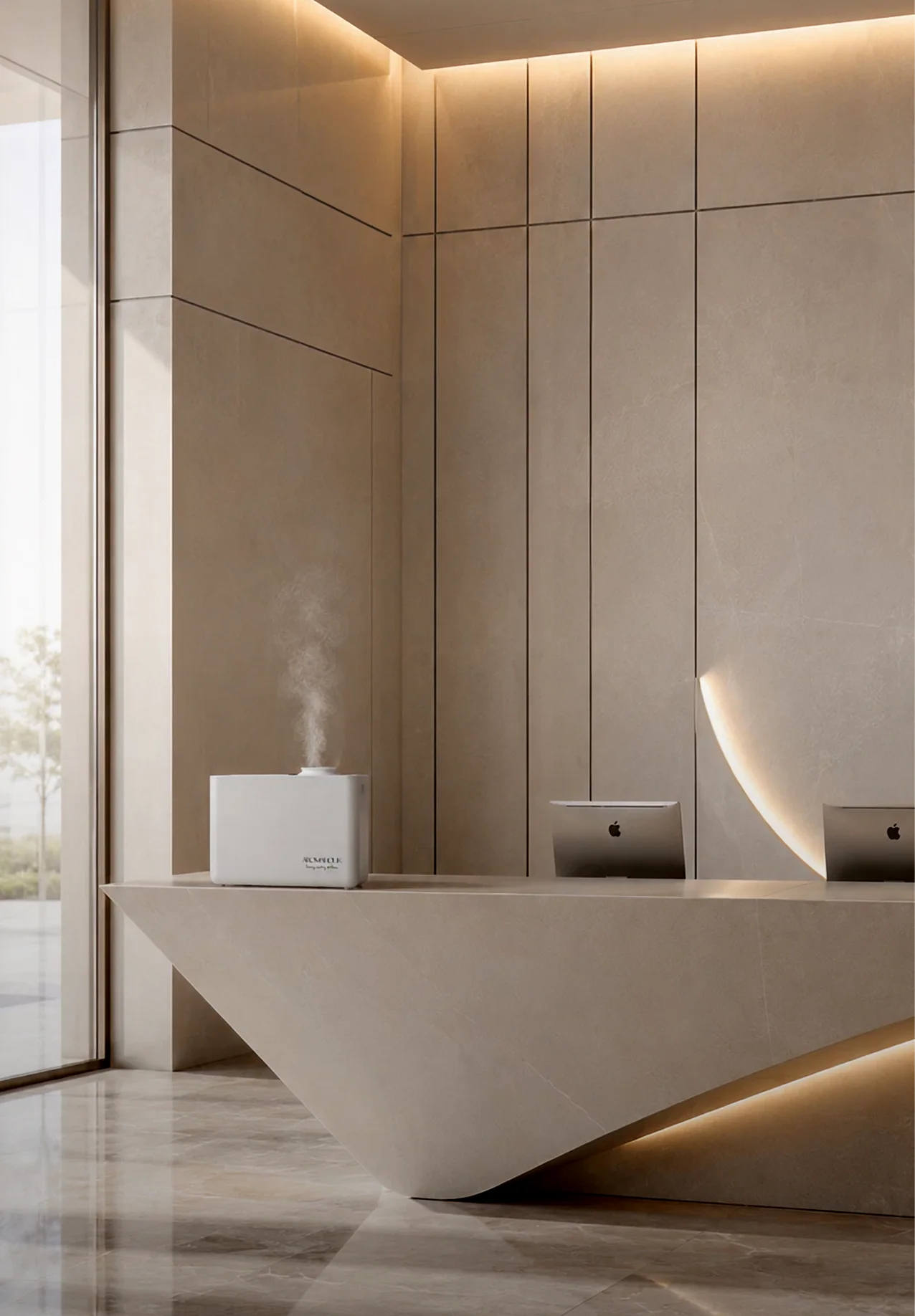
Many waterless models use cold-air diffusion technology. This process uses air pressure to break fragrance oil into very small particles. The diffuser then releases those particles into the surrounding space.
Because the oil is not diluted with water, the device can distribute fragrance directly. You also do not have to fill a water tank every day or measure out drops of oil each time you use it.
AromaHolik's cold-air diffusers are designed around this method. Depending on the model, you can use adjustable fragrance settings and schedules to manage how much scent the device releases.
How Does a Waterless Cold-Air Diffuser Work?
The process is straightforward:
- Add fragrance oil: Fill the diffuser with the compatible fragrance oil recommended for your model.
- Air pressure disperses the oil: The device uses air to break the liquid into tiny particles.
- A fine, dry mist is released: The diffuser sends the fragrance into the surrounding air without adding water.
- The scent circulates: Air movement helps carry the fragrance around the room or through a connected HVAC system.
- Settings manage fragrance output: On supported models, you can adjust the intensity and operating schedule to suit your space.
The mist may not always be visible. Its purpose is to distribute fragrance, not create a visible cloud of vapor.
Why Does a Waterless Diffuser Not Need Daily Mixing?
A waterless diffuser does not use a water-and-oil mixture. You add the recommended fragrance oil directly to the device, so there is no need to measure water and add essential oil every time you use it.
This makes daily operation simpler. You still need to check the oil level and clean the device according to the manufacturer's instructions, but you can avoid the regular water-filling routine associated with many traditional diffusers.
What Is a Traditional Essential Oil Diffuser?
A traditional essential oil diffuser often refers to an ultrasonic diffuser. It uses water and electronic vibrations to release a fine mist containing water and essential oil. Ultrasonic diffusion is one of several essential oil diffusion methods. Other options include heat-based and waterless nebulizing diffusers, each using a different approach to disperse fragrance.
You usually fill its reservoir with water, add a few drops of essential oil, and switch it on. The device uses ultrasonic vibrations to break the liquid into tiny droplets that move into the air.
These diffusers are popular for personal use because they are available in many sizes and designs. Some include lights, timers, and automatic shut-off features.
How Does a Water-Based Diffuser Work?
Most ultrasonic diffusers follow a simple process:
- Fill the water tank up to the recommended level.
- Add the suggested number of essential oil drops.
- Close the lid and switch on the device.
- Ultrasonic vibrations create a fine water-based mist.
- The mist carries fragrance into the surrounding room.
The amount of oil you add matters. Too much oil may affect the device or create a scent that feels too strong. Always follow the instructions provided with your diffuser.
Why Does a Traditional Diffuser Need Water?
Ultrasonic diffusers use water as part of the mist they release. The device vibrates the water and oil mixture, creating tiny droplets that carry the fragrance into the air.
Once the water runs low, you need to refill the tank before using the diffuser again. You should also empty leftover water and clean the reservoir regularly to prevent oil residue from building up.
Waterless Diffuser vs. Traditional Diffuser: What Are the Main Differences?
This waterless diffuser vs traditional diffuser comparison explores the differences in operation, fragrance output, maintenance, refill frequency, and coverage. Understanding these features can help you choose the right diffuser for your space.
1. Water Requirements
This is the most obvious difference.
A waterless cold-air diffuser uses fragrance oil directly. It does not need a water tank or a water-and-oil mixture.
A traditional ultrasonic diffuser needs water to create its mist. You must fill the reservoir before use and check it regularly.
If you want to avoid daily water refills, a waterless model may be more convenient. If you do not mind preparing the mixture before use, a traditional diffuser may suit your routine.
2. Fragrance Output
A waterless diffuser disperses fragrance oil as a fine, dry mist. Since it does not mix the oil with water, it releases the fragrance directly.
A traditional ultrasonic diffuser releases a water-based mist containing diluted essential oil. The fragrance experience can vary depending on the oil, the number of drops you add, the water level, and the room conditions.
The two methods create different outputs. Neither guarantees the same scent strength in every room. Your choice should depend on the fragrance experience you prefer.
3. Scent Consistency
Consistency matters if you want your home to smell pleasant throughout the day.
Many waterless cold-air diffusers include adjustable intensity settings and operating schedules. You can choose when the device runs and how much fragrance it releases. This helps maintain a more controlled scent level.
Traditional ultrasonic diffusers also offer timers and different mist settings on some models. However, you need to prepare the water-and-oil mixture and refill the reservoir when it runs low.
For people who prefer a regular fragrance routine with fewer daily steps, a waterless diffuser can be a practical choice.
4. Maintenance and Cleaning
A traditional water-based diffuser needs regular reservoir care. Water and oil can leave residue inside the tank, so you should empty and clean it according to the manufacturer's instructions.
A waterless diffuser does not have a water tank to clean. However, it is not maintenance-free. You may still need to clean the oil container or internal components as directed by the manufacturer.
The main difference is the daily routine. A waterless model removes the need to prepare a fresh water mixture each time you use it.
5. Refill Frequency
How often you refill a diffuser depends on its capacity, operating hours, fragrance settings, and the amount of scent you prefer.
With a traditional ultrasonic diffuser, you may need to add water and essential oil each time the reservoir runs low or before a new use.
AromaHolik cold-air diffusers typically need refilling every 3–4 weeks, depending on usage and preferred scent intensity. This gives you a longer gap between fragrance refills compared with the daily preparation often associated with water-based diffusers.
If you prefer a device that needs fewer routine refills, this is an important point to consider.
6. Fragrance Distribution
A traditional diffuser generally releases mist into the room where you place it. Its reach depends on the device's output, room size, air circulation, and placement.
Waterless cold-air diffusers are also available as standalone devices for individual rooms. Some models connect to an HVAC system, which can distribute fragrance through the building's air vents.
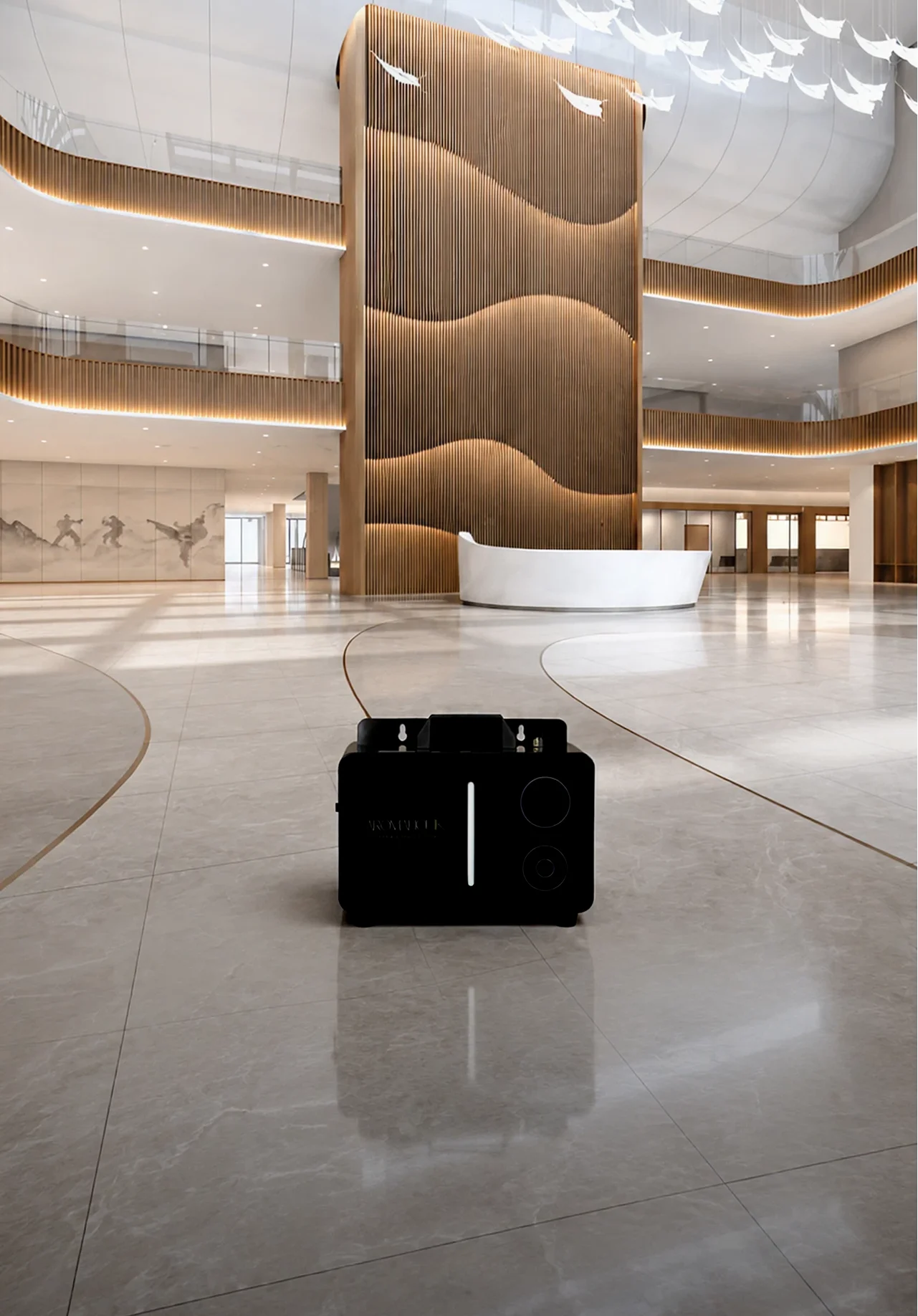
For example, AromaHolik's AroBliss HVAC diffuser connects to a compatible central air system. This allows fragrance to travel through the vents into connected areas.
If you want to scent several rooms, check whether an HVAC-connected system suits your home's layout and ventilation setup.

Waterless Diffuser vs. Traditional Diffuser Comparison
|
Feature |
Waterless Cold-Air Diffuser |
Traditional Water-Based Diffuser |
|
Water required |
No |
Yes |
|
Fragrance used |
Compatible fragrance oil directly |
Essential oil mixed with water |
|
How it works |
Uses air to disperse oil into a fine, dry mist |
Uses ultrasonic vibrations to create a water-based mist |
|
Daily preparation |
No daily water-and-oil mixing |
Usually requires water and oil preparation |
|
Refill routine |
Depends on oil use; AromaHolik models typically need refilling every 3–4 weeks |
Water and oil need regular replenishment |
|
Scent settings |
Adjustable on supported models |
Varies by model |
|
Cleaning |
Follow oil-system cleaning instructions |
Regular water reservoir cleaning |
|
Coverage |
Room-based or HVAC-connected, depending on model |
Usually the room where the device is placed |
|
Best suited for |
People who prefer waterless operation and controlled fragrance output |
People who prefer a simple water-based diffuser for personal use |
What Are the Benefits of Using a Waterless Diffuser?
A waterless diffuser can make fragrance use easier, especially if you want a device that runs on a schedule and does not need daily water preparation.
No Daily Water Refills
You do not need to fill a reservoir with water before every use. Add the compatible fragrance oil, follow the setup instructions, and adjust the device settings.
This can save time if you use your diffuser regularly.
Direct Fragrance Oil Use
Cold-air diffusion releases fragrance oil directly rather than mixing it with water. The device creates a fine, dry mist that carries the fragrance into the air.
This method avoids the water-based output of an ultrasonic diffuser.
More Convenient Refill Routine
AromaHolik cold-air diffusers typically need refilling every 3–4 weeks. The exact timing depends on how often you run the device and how strong you set the fragrance.
For example, a diffuser running for longer hours at a higher intensity may use oil faster than one operating on a shorter schedule.
Adjustable Fragrance Settings
Many modern cold-air diffusers offer controls for scent intensity and operating times. You can choose a lighter setting for a bedroom or a stronger setting for a larger living area, within the model's recommended coverage.
Some AromaHolik models also offer app-based controls, allowing you to manage fragrance settings and schedules.
Options for Different Room Sizes
Waterless diffusers are available in different sizes and designs. A compact model may suit a bathroom or office, while a larger device may work better in an open living area.
For homes with compatible central air systems, an HVAC-connected diffuser may provide wider fragrance distribution.
Are There Any Reasons to Choose a Traditional Water-Based Diffuser?
Yes. A traditional diffuser can still be a good option, depending on what you want.
You Prefer a Simple Personal Diffuser
A small ultrasonic diffuser can be suitable for a bedroom, desk, or other compact space. You can add water and a few drops of your preferred essential oil whenever you want to use it.
You Enjoy Changing Essential Oils Frequently
If you like experimenting with different essential oils, a traditional diffuser may fit your routine. You can prepare a new mixture when you want to change the scent.
Before switching oils, empty and clean the reservoir as directed to prevent different fragrance profiles from mixing.
You Want a Basic Device
Some traditional diffusers have simple controls and do not require an app or scheduled settings. If you prefer manual operation, this may be enough.
Before buying, check the reservoir capacity, operating time, cleaning instructions, and recommended oil quantity.
Which Diffuser Is Best for Your Home?
Choosing between a waterless diffuser vs traditional diffuser depends on your room size, daily routine, fragrance preferences, and how much maintenance you are comfortable with. Consider how you plan to use the device before making your decision.
For Bedrooms
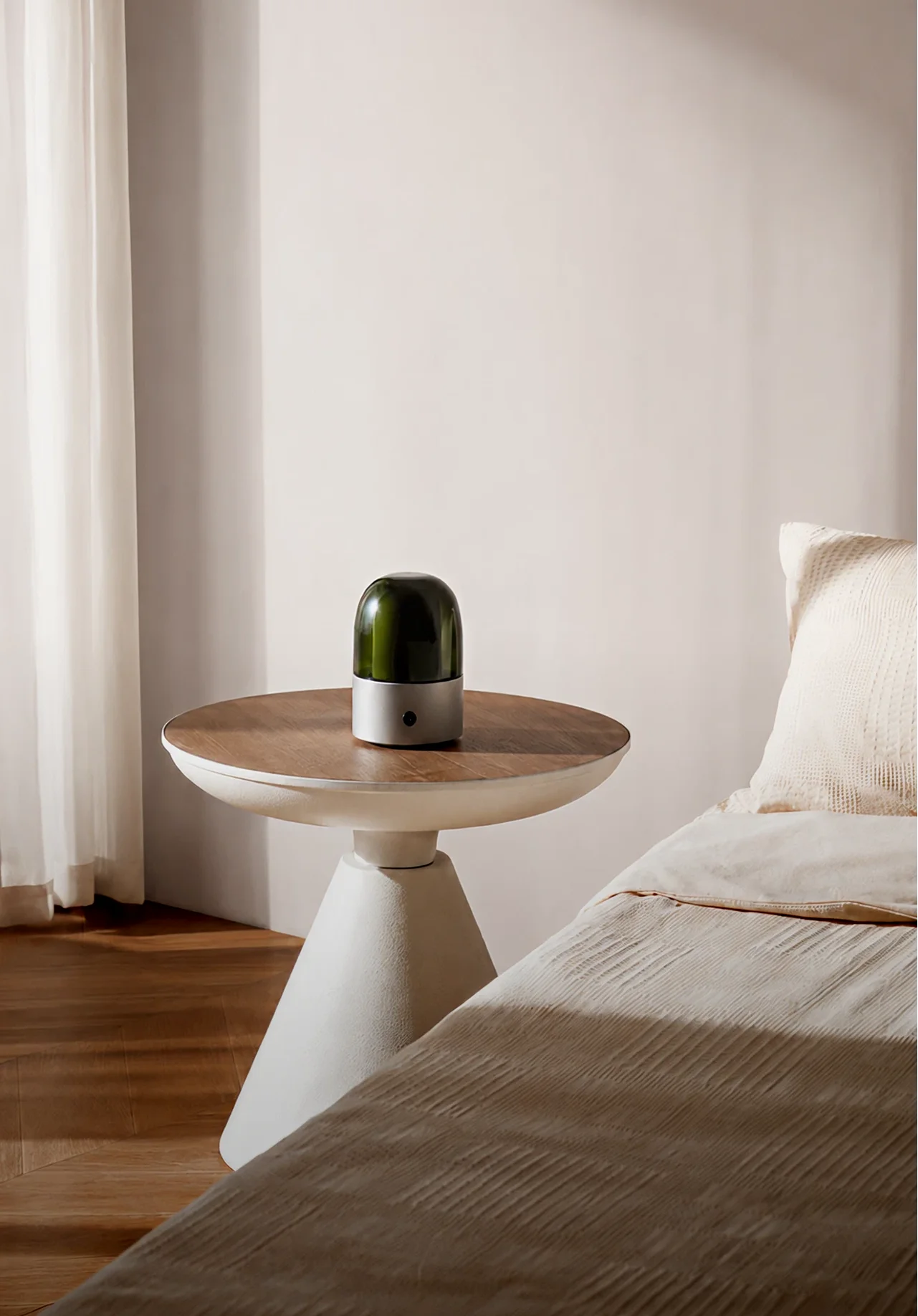
A compact diffuser can work well in a bedroom. When choosing a waterless option, look for a model with adjustable intensity so you can keep the scent subtle.
If you choose a traditional diffuser, follow the recommended water and oil quantities. Avoid running any fragrance device if the scent causes discomfort or irritation.
For Living Rooms
A living room often has more open space than a bedroom. Check the manufacturer's coverage recommendation before buying a diffuser.
A standalone cold-air diffuser may suit a medium-sized room. For a larger home with connected rooms, an HVAC-connected option may be worth considering.
For Offices and Workspaces
A waterless diffuser can be useful in an office where you want a planned fragrance schedule and fewer daily preparation steps.
Choose a scent that is comfortable for people who share the space. Keep the fragrance output moderate, especially in rooms with limited ventilation.
For Larger Homes
If you want fragrance in several rooms, consider how your home is arranged. A standalone device may scent the room around it, but walls and closed doors can limit distribution.
An HVAC-connected diffuser can send fragrance through a compatible central air system. AromaHolik's AroBliss is designed for this type of setup.
For Small Apartments
A compact diffuser may be enough for a smaller apartment. Consider a model that fits your available space and offers adjustable settings.
A waterless wall-plug or portable model can be useful when you do not want a larger device taking up counter or shelf space.

How Do You Maintain a Waterless Diffuser?
Waterless diffusers require less daily preparation, but basic care still matters.
Follow these steps to keep your device working as intended:
- Use compatible fragrance oil. Check the manufacturer's recommendations before adding any oil. Using an unsuitable product may affect performance or warranty coverage.
- Monitor the oil level. Check the reservoir from time to time and refill it when needed.
- Clean the diffuser as instructed. Follow the cleaning steps for your specific model. Do not add water to a device designed for waterless operation.
- Check the settings. If the fragrance seems weaker, review the intensity and operating schedule before changing anything else.
- Keep the device in the right place. Use a stable surface and follow the placement and ventilation guidance in the manual.
A traditional diffuser needs a different cleaning routine. Empty leftover water, clean the reservoir as instructed, and allow the parts to dry when required.
How Do You Choose Between a Waterless and Traditional Diffuser?
Before deciding between a waterless diffuser vs traditional diffuser, consider these five important points:
- Maintenance preference: Do you want to prepare a water-and-oil mixture regularly, or would you rather add fragrance oil directly?
- Room size: Check the coverage recommended for each diffuser model.
- Fragrance preference: Think about whether you prefer the output of a dry fragrance mist or a water-based mist.
- Daily routine: Consider whether adjustable schedules and longer intervals between refills would make the device easier to use.
- Budget: Compare the upfront cost, fragrance oil requirements, and ongoing maintenance.
If you want a simple water-based diffuser for occasional use in a small room, a traditional ultrasonic model may be suitable.
On the other hand, a waterless cold-air diffuser may be a better fit if you prefer direct fragrance oil use, no daily mixing, and more controlled scenting.
AromaHolik offers different cold-air diffuser options for homes and businesses. You can explore its range to compare designs, coverage, and features before choosing a model.
Frequently Asked Questions
1. What is the difference between a waterless diffuser and a traditional diffuser?
The main difference between a waterless diffuser vs traditional diffuser is how they release fragrance. A waterless model disperses fragrance oil directly into the air, while a traditional ultrasonic diffuser uses water and essential oil to create a scented mist. They also differ in maintenance and refill requirements.
2. How does a waterless diffuser work?
A waterless cold-air diffuser uses air pressure to break fragrance oil into tiny particles. It releases these particles into the surrounding air without adding water or using heat. Some models also include adjustable intensity and scheduling features.
3. Does a waterless diffuser need water?
No. A waterless cold-air diffuser does not need a water reservoir. You add compatible fragrance oil directly to the device and operate it according to the manufacturer's instructions.
4. How often do you need to refill a waterless diffuser?
Refill frequency depends on the device, oil capacity, operating hours, and fragrance intensity. AromaHolik cold-air diffusers typically need refilling every 3–4 weeks, depending on usage and your preferred scent level.
5. Is a waterless diffuser better than a water diffuser?
It depends on your needs. A waterless diffuser may suit you if you want direct fragrance oil use, no daily mixing, and adjustable scent settings. A traditional water diffuser may be a good choice if you prefer a basic device for occasional use in a smaller room.
6. Do waterless diffusers produce a visible mist?
They create a fine, dry mist, but it may not always be visible. The purpose is to distribute fragrance into the air rather than produce a visible water vapor cloud.
7. Can you use essential oils in a waterless diffuser?
Only use oils that the diffuser manufacturer approves. Some waterless models are designed for specific fragrance oils, and using other products may affect performance or warranty coverage. Check the instructions before adding essential oils.
8. Are waterless diffusers easier to maintain?
They can be easier to manage because they do not need a water tank or daily water-and-oil mixing. However, you still need to check the oil level and clean the device according to the manufacturer's instructions.
9. Can a waterless diffuser scent an entire home?
Some waterless diffusers are designed for individual rooms, while HVAC-connected models can distribute fragrance through a compatible central air system. The actual coverage depends on the diffuser, ventilation setup, home layout, and airflow.
10. Which waterless diffuser is best for home use?
The right model depends on your room size and how you want to distribute fragrance. A compact standalone diffuser may suit a bedroom or office. An HVAC-connected model, such as AromaHolik's AroBliss, may be a better option if you want fragrance distributed through a compatible central air system.
Conclusion
Both a waterless diffuser and a traditional essential oil diffuser can add fragrance to your home; however, they use different methods. A traditional ultrasonic diffuser combines water and essential oil to create a scented mist. By contrast, a waterless cold-air diffuser disperses fragrance oil directly into the air without water or daily mixing.
If you prefer a simple water-based device for occasional use, a traditional diffuser may meet your needs. If you want a more convenient fragrance routine, adjustable scent output, and fewer refill interruptions, a waterless cold-air diffuser is worth considering.
AromaHolik cold-air diffusers typically need refilling every 3–4 weeks, depending on usage and scent intensity. They offer a practical option for people who want regular fragrance without preparing a fresh water mixture every day.
Before choosing a diffuser, consider your room size, fragrance preferences, and maintenance routine. The right device should fit the way you use your space and the kind of fragrance experience you want.

Popular Articles

How to Choose the Right Diffuser for Your Room Size
Read More
Bring the Ritual Home
Continue Shopping